
A low purchase price is the easy part. The figure that catches people out is what the van costs in the twelve months after they drive it away — fuel, tyres, insurance, servicing, and the repair that grounds them on a Tuesday morning.
This guide breaks down the real running costs of a budget used van, with figures for the models we see most often on the forecourt here in St Helens. Read it before you commit.
So what does a budget used van actually cost to run each year?
A used panel van bought in the £5,000–£9,000 bracket will typically cost between £4,500 and £7,500 a year to run, once you add fuel, insurance, servicing, tyres and a realistic repair allowance. That figure assumes around 20,000 miles, standard trader insurance, and a van that passes its MOT without major work. Buy at the wrong end of that price range — high mileage, neglected service history, older emissions standard — and the repair allowance alone can double. The purchase price is one number. The total cost of ownership is the number that matters.
What does fuel actually cost across a full year?
A Transit or Sprinter diesel averaging 32–36 MPG at current pump prices (around 152p per litre for diesel in mid-2026) will cost roughly £3,200–£3,800 in fuel over 20,000 miles. A smaller van — Berlingo, Connect, Combo — running 40–46 MPG will come in closer to £2,500–£2,900 over the same distance.
Where buyers go wrong is buying a high-mileage van with a tired injector or a clogged DPF. A partially blocked diesel particulate filter drops real-world MPG by 10–15% and eventually forces a £400–£900 regeneration or replacement. If the van you’re looking at has been used on short urban runs — deliveries, site hops — ask specifically about DPF condition. It is one of the first things we check when a van comes in part-exchange.
Euro 5 engines (roughly 2011–2015 registrations) are the sweet spot for used buyers right now: cleaner than Euro 4, cheaper to maintain than Euro 6, and still acceptable in most clean air zones outside London. Euro 4 vans are worth less for a reason — factor in potential ULEZ or CAZ charges if you work in any major city.
| Model | Payload (kg) | Load volume (m³) | Real-world MPG | Used price range (2026) | Euro standard (typical) |
|---|---|---|---|---|---|
| Ford Transit MK8 (2014–2021) | 900–1,360 | 8.0–14.0 | 32–38 | £7,500–£18,000 | Euro 6 |
| Ford Transit Custom (2013–2023) | 770–1,100 | 6.0 | 34–40 | £8,000–£20,000 | Euro 6 |
| Vauxhall Vivaro B (2014–2019) | 900–1,100 | 5.2–6.6 | 36–42 | £6,500–£14,000 | Euro 6 |
| Renault Trafic (2014–2021) | 900–1,100 | 5.2–8.6 | 36–42 | £6,000–£14,500 | Euro 6 |
| Mercedes-Benz Sprinter (2018+) | 900–1,400 | 7.5–17.0 | 30–36 | £10,000–£24,000 | Euro 6 |
| VW Transporter T6 (2015–2019) | 800–1,000 | 5.8 | 34–40 | £12,000–£22,000 | Euro 6 |
| Ford Transit Connect (2014–2022) | 590–800 | 2.9–3.6 | 40–46 | £5,500–£13,000 | Euro 6 |
What do servicing, tyres and MOT failures cost?
A standard annual service on a Transit, Sprinter or Vivaro runs £180–£280 at an independent garage. Add a timing belt change (required every 4–5 years or 60,000–80,000 miles depending on model) and that single job costs £350–£600. Budget for it or it will budget for you.
Tyres on a panel van are a bigger line item than most buyers expect. A set of four commercial-rated tyres for a medium van costs £400–£600 fitted. Worn tyres are the single most common MOT failure category for vans — DVSA data shows tyres and lights account for over 30% of first-time van MOT failures. If the van you’re buying has 3mm or less of tread, knock the replacement cost off the asking price.
Brakes are the other one. Brake discs and pads on a Transit or Sprinter, all round, run £350–£550 in parts and labour. On a heavily loaded van used for deliveries or site work, they wear faster than the mileage alone suggests. Check the pedal feel on the test drive — any sponginess or vibration through the wheel is a negotiating point, not a reason to walk away, but price it in.
Which models cost the most to keep on the road?
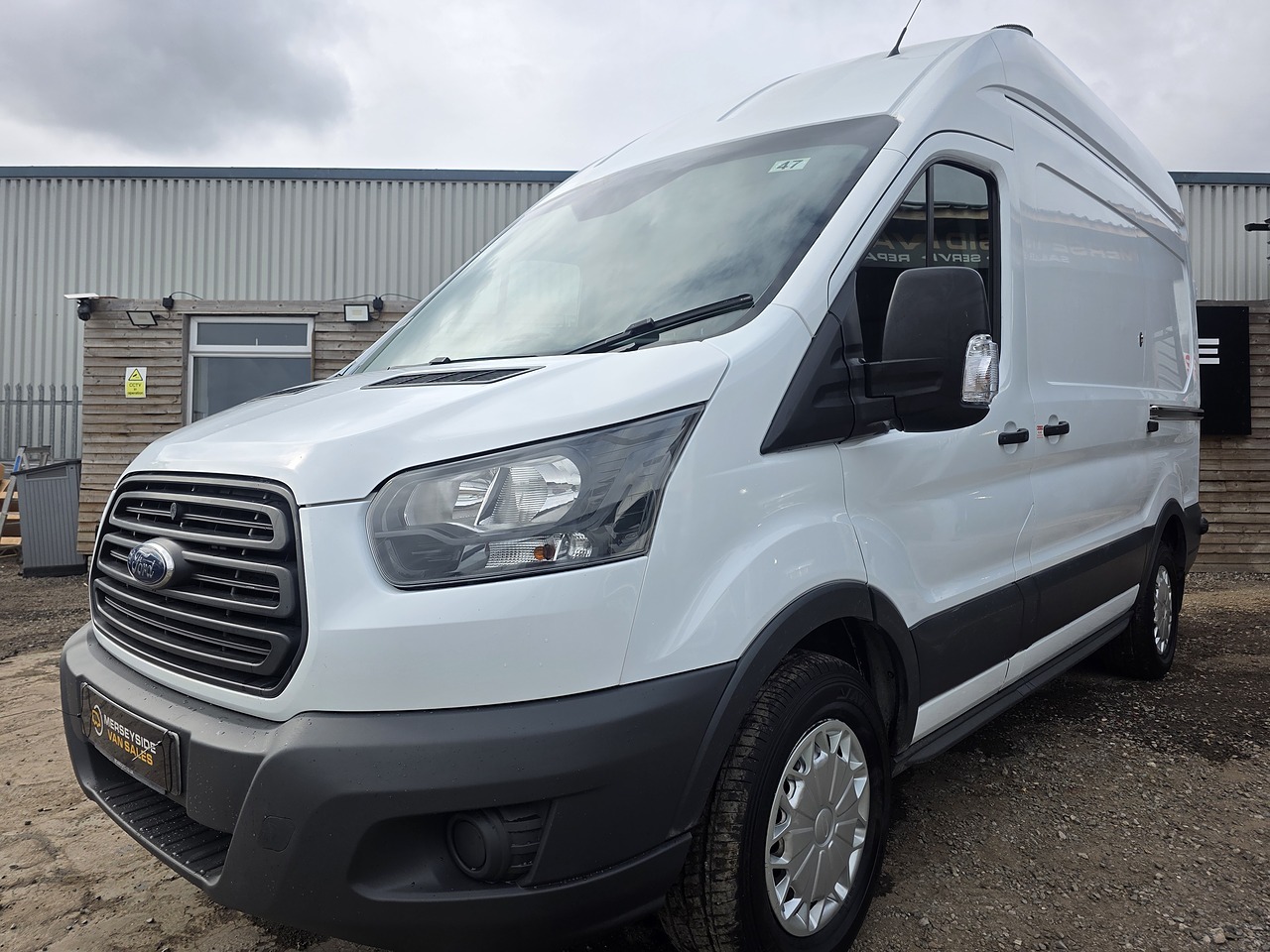
The Ford Transit (MK8, 2014 onwards) is the van we shift most often, and for good reason: parts are widely available, independent garages know them, and a common repair like an EGR valve replacement costs £250–£450 rather than the £600–£900 you can pay on a Mercedes-Benz Sprinter for the same job.
The Vauxhall Vivaro and Renault Trafic share a platform, which keeps parts costs reasonable, but the 1.6 bi-turbo engine in 2015–2019 examples has a known issue with turbo failure. A replacement turbo on these runs £700–£1,100 fitted. It does not fail on every van, but it fails on enough that we always check boost pressure before we buy one.
The VW Transporter is the one traders ask about constantly, and the one that sits longest on the forecourt at the price point it commands. It is a better-built van than most, but parts are expensive and servicing at an independent still costs 20–30% more than equivalent Transit work. If you need reliability and low running costs, the Transit or Sprinter wins on numbers. If you need to impress a client on site, the Transporter wins on perception — just know what you are paying for.
What about insurance, road tax and the costs buyers forget?
Commercial van insurance for a sole trader with a clean licence runs roughly £900–£1,600 a year depending on age, claims history, overnight parking and the van’s value. A Transit Custom costs more to insure than a Connect — theft rates are higher and insurers price accordingly. If you are under 25, add another £400–£800 to those figures.
Road tax (Vehicle Excise Duty) on a diesel van registered after April 2017 is £310 a year for vans up to 3,500 kg GVW. Pre-2017 Euro 5 diesels pay £180. Electric vans pay £0 VED until 2025 rates were revised — from April 2025, even ZEV vans pay the standard rate, so the tax saving has largely gone.
The costs buyers most often forget: breakdown cover (£100–£200 a year for a commercial policy that actually covers a laden van), load insurance if you carry tools or materials over £1,000 in value, and the cost of a hire van when yours is off the road. A week’s panel van hire runs £350–£500. If your van is in for a week-long repair twice a year, that is £700–£1,000 you did not factor in when you bought it.
What this means if you’re buying in Merseyside
Most of the vans we take in part-exchange at our Haydock site have done real work — building sites, courier runs, plumbing rounds. The ones that cost buyers money are not always the highest-mileage ones. The worst we see are the ex-lease returns that were serviced on time but never had the DPF properly regenerated because the previous driver only did short runs. They look clean, they have a full stamp, and they are quietly on their way to a £600 repair.
If you are buying a used van in the North West, ask for the service history and look at where it was serviced — a van that has spent its life on motorway miles between depots is a different animal to one that covered the same mileage in stop-start city traffic. We can usually tell you what a van was used for based on how it comes in. That context is worth more than the odometer reading on its own.
Common questions
In 2026, a usable panel van starts at around £5,000–£6,000 for a high-mileage Euro 5 example. Below that, you are buying someone else’s problem. At £5,000–£7,000, budget a further £500–£1,000 for immediate work — tyres, service, possible MOT advisories. A van that costs £5,500 and needs £800 of work is still a better buy than one at £4,000 that needs a turbo.
It depends entirely on how those miles were covered and whether the service history backs it up. A Transit or Sprinter with 160,000 motorway miles and a full stamp can have years of work left. The same mileage in urban stop-start use, with patchy servicing and a neglected DPF, is a different proposition. Mileage alone is not the number — condition and history are.
Liverpool does not currently operate a charging clean air zone for vans, but if you work in Greater Manchester, Birmingham or London, it matters. Euro 6 vans (generally 2015 onwards for diesels) are compliant in all current UK CAZs. Euro 5 vans are compliant in most outside London. Euro 4 and older are worth avoiding if you cross city boundaries regularly.
The Ford Transit MK8 and Vauxhall Vivaro B are the two we’d point most buyers toward at that budget. Parts are widely available, independents know them, and repair costs are lower than equivalent work on a Sprinter or Transporter. The Vivaro’s 1.6 bi-turbo needs checking, but a good example with a clean history is a solid buy.
On a van bought in the £5,000–£9,000 bracket, allow £500–£1,200 for the first year. That covers a service, a set of tyres if needed, and one unplanned repair. If the van has no service history or is pre-2014, push that allowance to £1,500. Anything that exceeds it is a van you should have walked away from.
Yes — we take part-exchanges at Haydock. Get a valuation before you visit so you know where you stand. A van with a full service history, working electrics and a current MOT will always be worth more than one without, even if the mileage is similar. We will tell you plainly what it is worth and why.
Related reading
- Van guides
- Best Vans for Couriers in 2026: Fuel, Load Space and Running Costs
- 5 Seater Vans for Sale in 2026: What Crew Space Actually Costs You
- Best Trade Road Trips from Merseyside: Local Jobs, Parking Tips & Low Emission Zones
Looking for your next van?
You came here looking at cheap used vans for sale and wondering what the real cost is — now you have the numbers. We hold a range of used vans at our Haydock site, and we are straightforward about what each one needs. Come and have a look, or get a part-exchange valuation before you commit.
Browse our used vans for sale in St Helens →
Talk to us: 0151 272 0326 · WhatsApp · Email
Follow us: 


