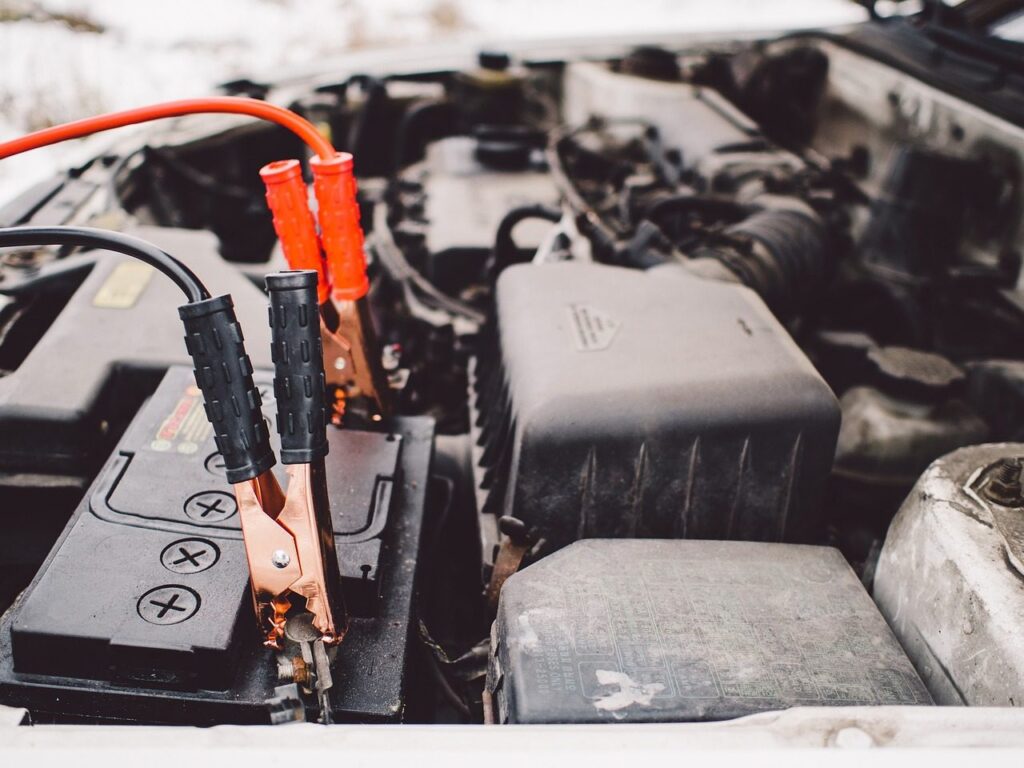
To check a van’s battery before you buy it, do four things: look at the battery itself for age, corrosion and a secure clamp; watch how the van starts from genuinely cold; check the dashboard warning lights behave normally as the engine fires; and ask for a proper test with a battery tester rather than a guess. A weak battery is cheap to fix. What matters is whether it is the battery at all, or something more expensive pretending to be one.
This guide sits under our Buying a Van guide, part of the Van Guides hub. One thing up front, because it shapes everything below: we sell vans, we do not diagnose faults for a living, and we hold no reliability data of our own. So this page explains what to look at and what the readings mean — it does not tell you which vans go wrong, because we genuinely do not know.
How to check a van battery before you buy
Do this before the test drive, and insist the van has not been started that morning.
- Find the battery. On many vans it is under the driver’s seat or under a panel in the floor rather than in the engine bay. If the seller does not know where it is, that tells you something on its own.
- Read the date. Most batteries carry a manufacture date stamped or stickered on the case. A battery well past its expected life is not a fault, but it is a cost coming toward you.
- Look at the terminals. White or blue-green crusting means a poor connection or a leaking seal. Clean, tight, greased terminals suggest somebody has been looking after it.
- Check it is clamped down. A battery sliding around is a genuine safety issue and a sign of a hurried job somewhere.
- Look at the case. Bulging sides, a cracked case or any weeping is an immediate replacement, not a negotiation.
- Then start it cold, and pay attention to the first two seconds rather than the fact that it started.
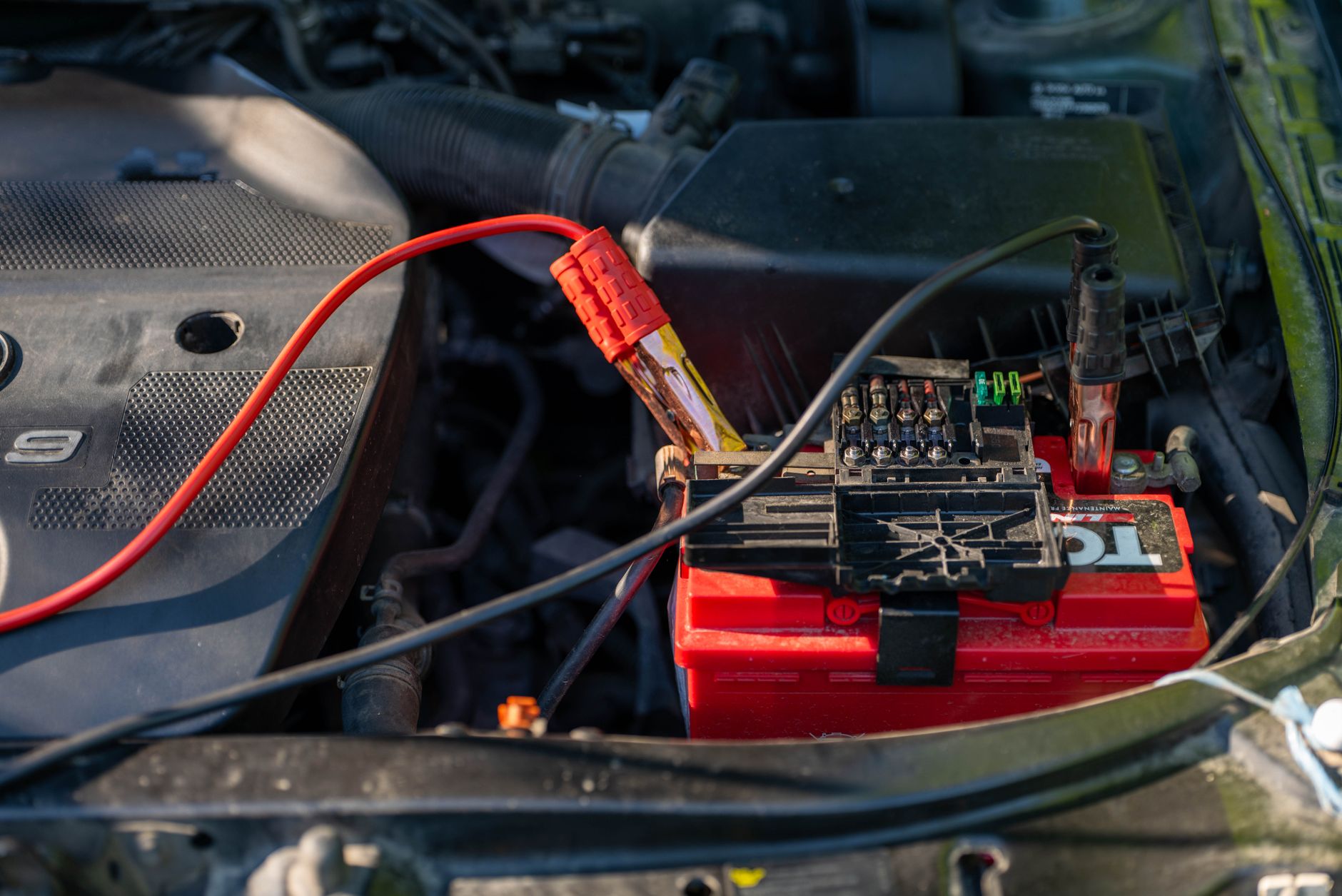
The signs a van battery is failing
A battery rarely dies without warning. It gives a run of small signals first, most of them audible or visible from the driver’s seat.
- Slow, laboured cranking — the starter turns the engine reluctantly, especially on the first start of the day.
- Dashboard lights dimming as you turn the key, then brightening once the engine catches.
- Electrical oddities — the radio resetting, the clock losing time, a central locking that works sometimes.
- The stop-start system refusing to work. On a van fitted with it, this is often the very first symptom, because the system needs a healthy battery before it will engage.
- Needing a jump start after a weekend standing. A van that will not survive three days unused has a problem now, not later.
- A battery warning light — which, confusingly, usually indicates a charging fault rather than the battery itself.
Cold weather exposes all of this, which is why a van fine all summer suddenly is not in November. Nothing changed except the demand on it.
Van battery testing: what the readings mean
Two different tests get called “testing the battery”, and they answer different questions.
The first is a resting voltage check with a multimeter, taken with the engine off and the van standing for a while. A healthy, fully-charged battery reads a little over twelve and a half volts. Meaningfully below twelve and a half means partially discharged; noticeably below twelve means substantially flat, and a battery repeatedly allowed to sit there will have suffered for it.
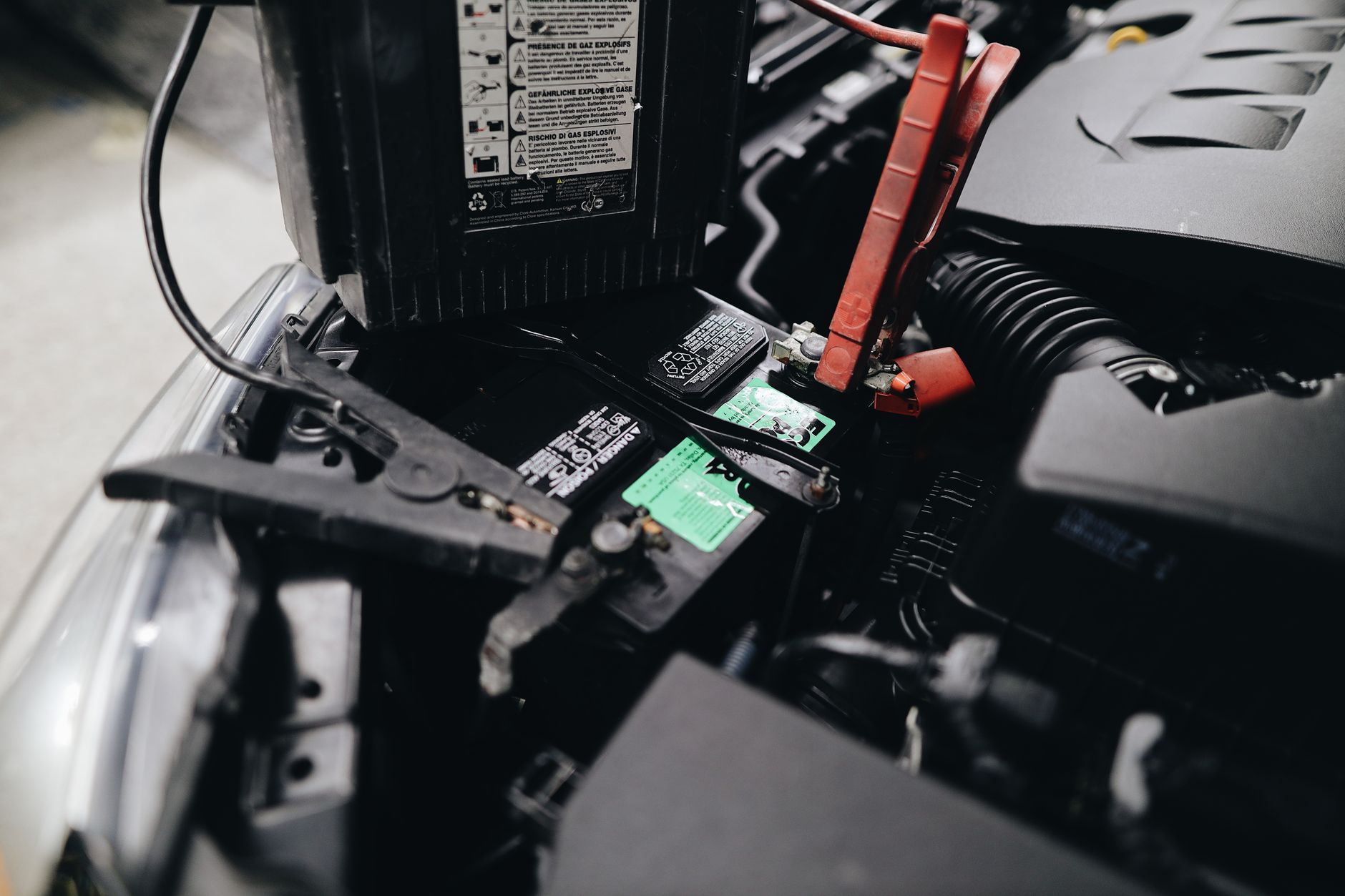
The second, and far more useful, is a load or conductance test with a proper tester. It measures whether the battery can still deliver current under demand — the thing that matters when you turn the key on a cold morning. A battery can show a respectable resting voltage and still fail a load test, which is exactly the case a voltmeter alone misses.
The third reading is charging voltage: with the engine running it should rise to around fourteen volts. If it does not, the alternator is not charging, and no new battery will fix that.
Ask whether the seller has load-tested it and whether you can see the printout. Any dealer preparing vans properly will have one.
Battery, alternator or something else?
This is the question worth your attention, because these failures feel similar from the driver’s seat and cost very different amounts.
- A failing battery — the van struggles on the first start of the day but is fine once running, and it worsens in cold weather.
- A failing alternator — the van starts well but the battery warning light comes on while driving, the headlights dim at idle, and the van eventually stops. This is the expensive one and the one that strands you.
- A parasitic drain — the van is fine when used daily and flat after standing. Something is drawing current with the ignition off, often an aftermarket accessory. These take time to trace, which makes them costly in labour rather than parts.
- A poor earth or corroded connection — intermittent, seemingly random electrical faults. Cheap to fix once found, maddening to find.
If any of that is present, treat it as an electrical system question rather than a battery question, and get it diagnosed before you commit rather than after.
What replacing a van battery involves
Usually straightforward, occasionally not — and the difference is worth knowing before you assume it is a small job.
On an older van it is simple: match the size, the terminal layout and the cold-cranking rating, fit it, done. On a newer van with stop-start the battery is likely an AGM or EFB type, and fitting a conventional one shortens its life considerably. Many also need the new battery registered to the charging system with a diagnostic tool, and skipping that means the van never charges it correctly.
So the useful question is not “is the battery new?” but “what type is it, and was it registered?”. A budget battery fitted wrongly to a stop-start van is a fault waiting to reappear.
Vans with extra electrical equipment fitted
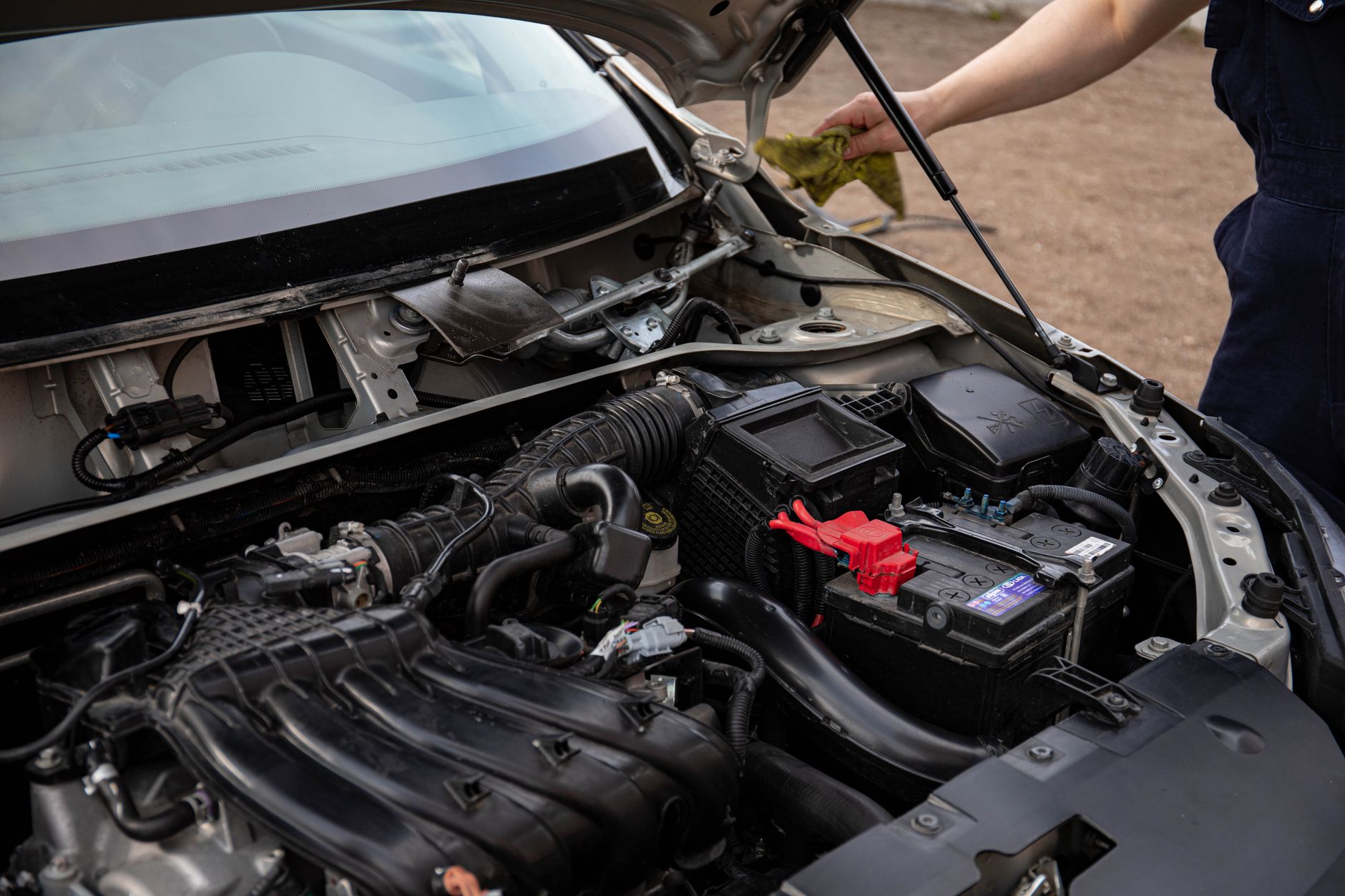
This is where used vans differ most from used cars. Working vans routinely have things added: beacons, inverters, tail lifts, trackers, extra lighting, racking with a power feed. When the fleet finished with the van, some was removed and some was not.
Each addition is a splice into the loom, and a poor splice is behind a great many of the intermittent electrical faults a used-van buyer meets. Look for insulating tape rather than proper connectors, wires that do not match the factory colours, and any dashboard switch that does not obviously belong. Ask what the wiring did, whether it was removed, and by whom.
Ex-fleet vans are especially worth checking here — our forthcoming guide Ex-council and ex-utility vans: worth buying? covers the rest of what to look for on that kind of stock.
What to ask the seller about the electrics
Five questions, and the specificity of the answers matters more than the answers themselves.
- How old is the battery, and was it replaced by you or before you had it?
- Has it been load-tested, and can I see the result?
- Is the van stop-start, and if the battery was changed, was it registered?
- Has the van stood unused at any point, and for how long?
- What extra electrical equipment has been fitted or removed?
Here is the one thing we can tell you from our own side of it. The typical van we sell is around eight years old. At that age the battery is one of the very few parts that has almost certainly been replaced at least once already — so the question is never whether it is the original, but whether whoever changed it fitted the right one properly. That last clause is our opinion from preparing vans, not a measurement.
The MOT record is also worth reading for electrical advisories, and it is free: check the MOT history of any vehicle on gov.uk. It is also worth checking whether any outstanding safety recall applies, via gov.uk’s vehicle recalls and faults service.
Common questions
How do I know if a used van’s battery is bad?
Start it from genuinely cold and listen to the first two seconds. Laboured cranking, dashboard lights dimming as you turn the key, a stop-start system that refuses to engage, or a van that goes flat after standing a weekend are the reliable signs. A load test confirms it properly.
What voltage should a van battery be?
At rest, with the engine off and the van settled, a healthy charged battery reads a little over twelve and a half volts. Running, the charging voltage should rise to around fourteen. A resting reading that looks fine can still hide a battery that fails under load.
Is it the battery or the alternator?
Roughly: hard to start but fine once running points at the battery; starts fine then the warning light comes on and the lights dim while driving points at the alternator. The alternator is the expensive one and the one that leaves you stranded, so get it diagnosed rather than guessed.
Do stop-start vans need a special battery?
Yes. They normally use an AGM or EFB battery, and fitting an ordinary one shortens its life considerably. Many also need the replacement registering to the charging system with a diagnostic tool — skip that and the van never charges the new battery properly.
Why does a van battery keep going flat?
If it happens only after the van stands, suspect a parasitic drain — something drawing current with the ignition off, very often an aftermarket accessory. If it happens in daily use, suspect the charging system. Either way it is a wiring question, not a battery question.
Everything else on the inspection list still applies — our complete guide to buying a used van runs the full sequence, and how to judge a used van dealer covers who you are buying from. When you want to check a real van, see what we have in stock now and ask us to load-test it in front of you.