The Renault Trafic and the Vauxhall Vivaro are the same van. Since 2014 they have shared a platform, engines, body sizes and most of their structure, built alongside each other, and sold with different badges, trim names and dealer networks. So the real question is never Trafic or Vivaro — it is which individual van has the better history, the right body length and the right price. On the used market the Vivaro is usually the easier one to find and often the slightly less expensive of the two.
This comparison sits under our van comparisons, part of the Van Guides hub.
Renault Trafic vs Vauxhall Vivaro: the short answer
Buy the better van, not the better badge. Where the two genuinely diverge is availability and price: Vauxhall sold a great many Vivaros in the UK, so there is more used choice and, at the same age and mileage, they often sit a little under an equivalent Trafic. The Trafic has a slightly stronger following among people who know the van well, and Renault’s commercial-vehicle network is good.
Roughly one van in four we have ever sold is a Vauxhall Vivaro — more than the next three models put together. We are not going to pretend that is because it is the finest van on the road. It is because it is the sensible route into a proper medium van, and our customers are buying with their own money.
Are the Vauxhall Vivaro and Renault Trafic the same van?
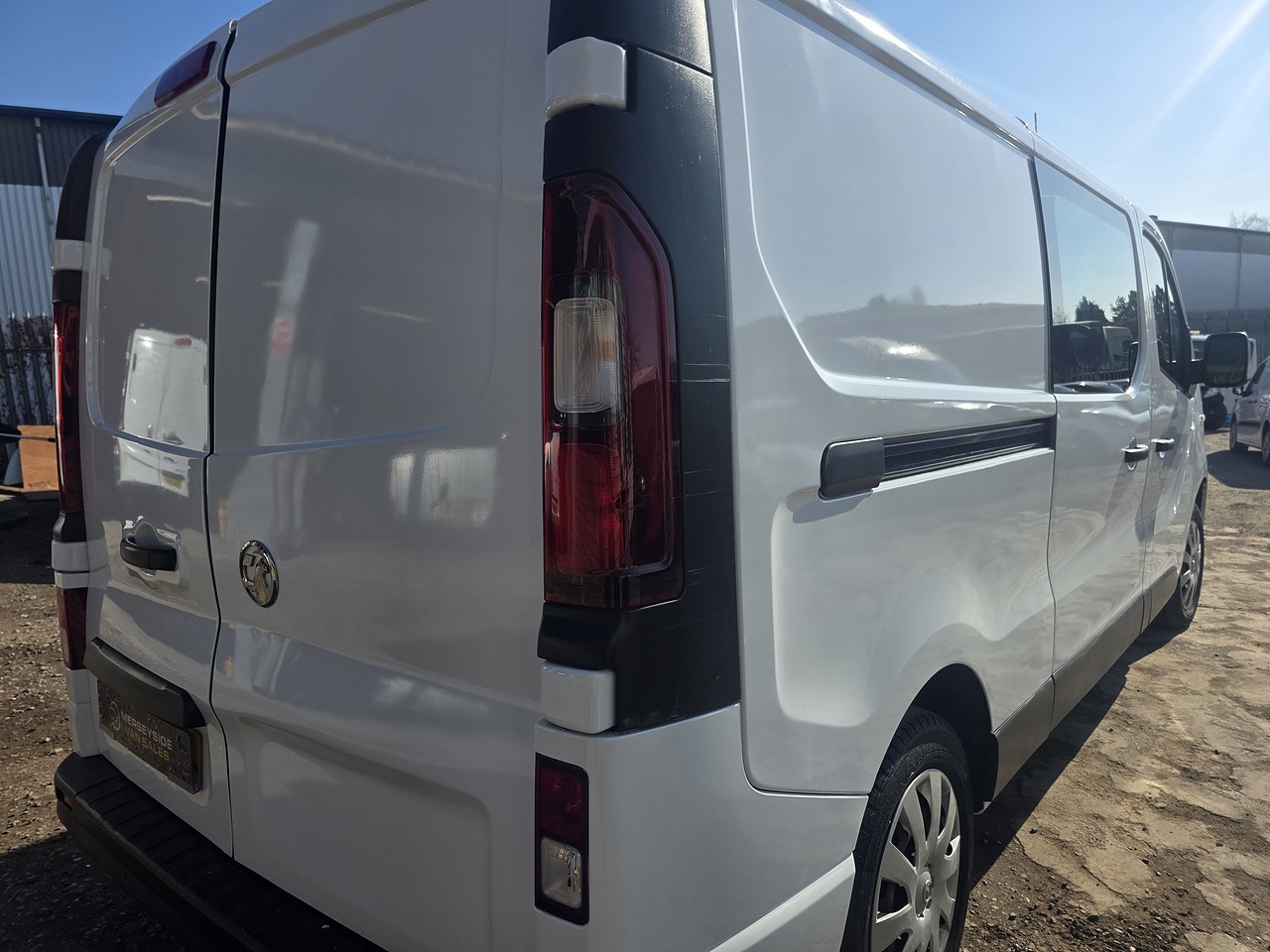
Yes, for anything from 2014 onwards. Renault and Vauxhall’s parent companies built the two together: same platform, same engines, same gearboxes, same body lengths and roof heights, same load dimensions. The same vehicle has also been sold as a Fiat and, more recently, as a Nissan.
What differs is what the badge brings with it — the trim names, the standard equipment for a given trim, the warranty, the dealer network and the used value. It does not extend to how the van drives, what it carries or what goes wrong with it.
Two practical consequences. First, search for both names at once when you are shopping; restricting yourself to one badge halves your choice for nothing. Second, most parts cross over, which keeps prices down and means any independent garage that knows one knows the other.
Which generation you are looking at, and why it matters
Before 2014 the story is different. The earlier Vivaro was a joint project with Renault too, but it was a distinctly older vehicle, and there was also a period when Vauxhall sourced a Vivaro from a different partner altogether. If you are looking at anything older, do not assume parts, dimensions or faults carry across from the newer van.
Within the 2014-onwards generation, the mid-life update is the line worth knowing. Later vans got a reworked front end, better cab equipment and — the part that matters most — the emissions standard that keeps a diesel out of the daily charge in most clean air zones. Check that on the individual registration rather than assuming it from the year, because changeover dates varied.
Where the Trafic and the Vivaro actually differ
- Front-end styling and badging. The most visible difference, and the least important one.
- Trim names and what is in them. The same features are packaged differently under each badge, so compare the two specific vans rather than the trim tiers.
- Used value and availability. Vivaros are more numerous in the UK and often a little less expensive at the same age. That is the single most useful difference for a buyer.
- Dealer network. Vauxhall has more sites overall; Renault has a strong commercial-vehicle specialist network. Which suits you depends on whether you use a franchise or an independent.
- Crew-van and passenger variants. Both exist under both badges, in different numbers. These carry more seats and less payload, and they are recorded differently — which matters for tax and insurance.
Load space, payload and lengths compared
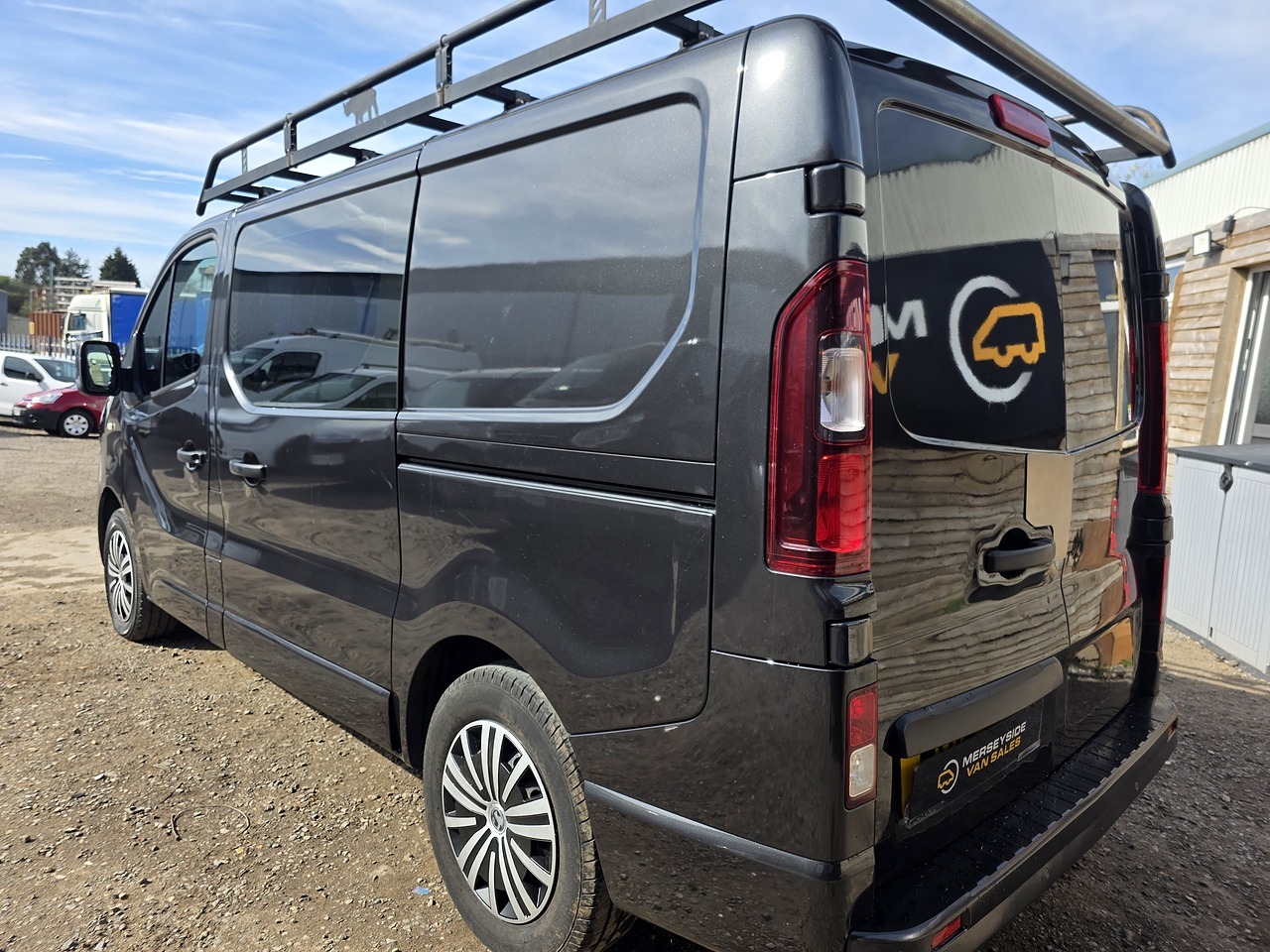
Identical between the two, because they are the same van. Two body lengths and, on some versions, a raised roof. The shorter body is easier everywhere and still takes a pallet through the back doors; the longer body earns its extra length the moment you carry materials rather than tools.
The feature worth hunting for is the load-through arrangement to the front, which lets a shorter van swallow long lengths. If you carry pipe, timber or conduit, check the specific van has it — it is the single option most likely to decide which van you should buy.
Payload varies with body size, trim weight and options, so read the plate on the van rather than a brochure figure. Racking, a bulkhead and a full tank all come off before you load anything, and a roof rack costs you more than people expect.
Which is better to drive?
They drive the same, which is to say well. Both are among the better medium vans to spend a day in: light steering, a comfortable driving position, good visibility, and a ride that is firm empty and settles under load. Cabin noise is reasonable and the driving position suits long stints.
Where you will feel a genuine difference is engine output rather than badge. The lower-output diesels are fine for a lightly loaded van doing local work; the mid and higher outputs are noticeably better if you carry weight, tow or spend time on motorways. Automatic versions exist and are pleasant in traffic, but they narrow your used choice considerably.
Running costs, reliability and the faults to check
Effectively identical, and reasonable for the class. Shared parts across several badges keep prices sensible and availability high, and there are plenty of independents who work on these vans every week.
The things to check on any high-mileage example are the ones a hard-worked medium van earns: the diesel particulate filter and EGR on a van used short and cold, the clutch and dual-mass flywheel on one run heavy in town, turbo and injectors, the sliding door and its runners, and a sagging rear end with unevenly worn rear tyres. Timing-chain and belt servicing history is worth asking about specifically and getting in writing.
Read the MOT record before you travel — the DVSA MOT history service is free and takes a registration number, and a repeating advisory tells you more than any single pass. DVLA’s vehicle information service will confirm the recorded make, fuel and engine size in seconds, which is a useful sanity check when two badges share a van.
Trafic or Vivaro: which should you buy?
- Pick the body length and roof height first. They decide what the van can do; the badge does not.
- Decide whether you need the load-through hatch. It can make a shorter van behave like a longer one.
- Search both names together — and add the Fiat and Nissan equivalents if your search allows it.
- Buy on history. Full service record and a clean advisory pattern beat a lower odometer reading. What counts as too high a mileage on a used van explains why, and medium vans routinely run high.
- Check the emissions standard on the registration if you drive into a charging zone.
- Let condition and price decide, and let the badge decide last.
If a Ford is also on your list, we have written those comparisons out separately: Transit Custom against the Renault Trafic and Transit Custom against the Vauxhall Vivaro. If you are weighing the Vivaro against the French alternatives, Vauxhall Vivaro against the Citroën Dispatch covers that pairing.
Still deciding on size? Our guide to choosing the right van works through it, and our guide to buying a van covers the process. To see real vans, browse the Vauxhalls we have in stock, the Renaults we have available, or everything on the forecourt now.
Common questions
Are the Vauxhall Vivaro and Renault Trafic the same van?
From 2014 onwards, yes. They share a platform, engines, gearboxes, body sizes and load dimensions, and were built alongside each other. The badge changes trim names, equipment packaging, warranty, dealer network and used value. The same vehicle has also been sold under Fiat and Nissan badges.
Which is better, the Trafic or the Vivaro?
Neither, because they are the same vehicle. Buy on body length, specification, condition and history. In practice the Vivaro is easier to find used in the UK and often sits slightly under an equivalent Trafic on price, which makes it the pragmatic choice more often than not.
Is the older Vivaro the same as the older Trafic?
Not reliably. The pre-2014 vans were a different generation, and there was a period when Vauxhall sourced a Vivaro from another partner altogether. Do not assume parts, dimensions or common faults carry across from the newer van — establish which generation you are looking at first.
What goes wrong on a Trafic or Vivaro?
The usual medium-van items: the particulate filter and EGR on a van used short and cold, clutch and dual-mass flywheel on one run heavy in town, turbo and injectors, sliding-door runners on a delivery van, and tired rear suspension. Get the timing servicing history in writing.
Should I buy the short or long body?
Short if you carry tools and stock and park in tight places; long if you carry materials. Before you decide, check whether the van has the load-through hatch to the front — on many jobs it lets the shorter van carry the awkward lengths that would otherwise force you up a size.