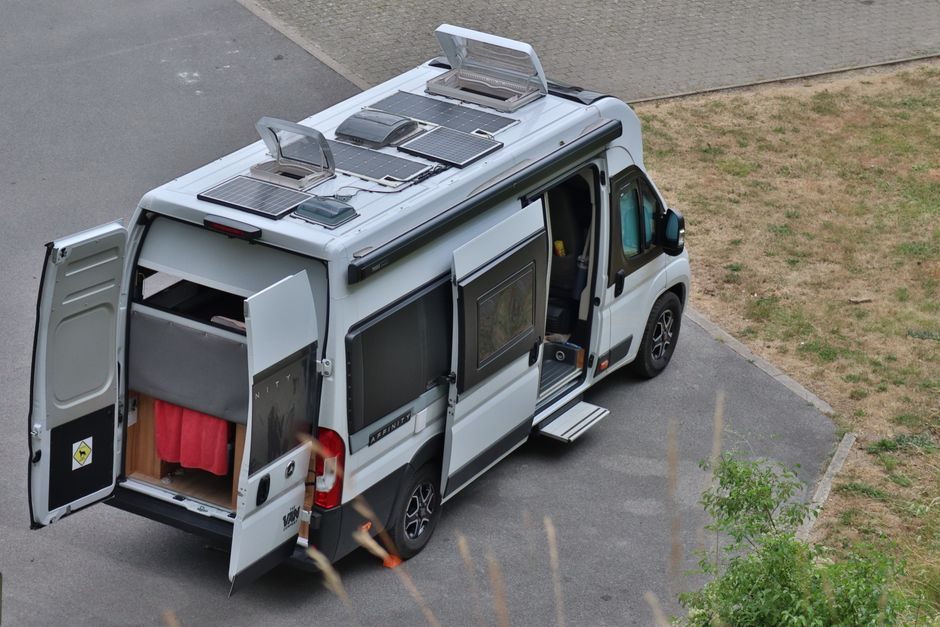
Yes — the Vauxhall Movano and the Renault Master are the same van. They are built on the same platform, in the same factories, with the same engines, the same body sizes and the same weights, and they have been for years. The badge on the nose changes the trim names, the dealer network and usually the used price, and almost nothing else. So the useful question is not which van is better, but which specific example in front of you has the better history, the right body size and the right price.
This comparison sits under our van comparisons, part of the Van Guides hub.
Is a Vauxhall Movano the same as a Renault Master?
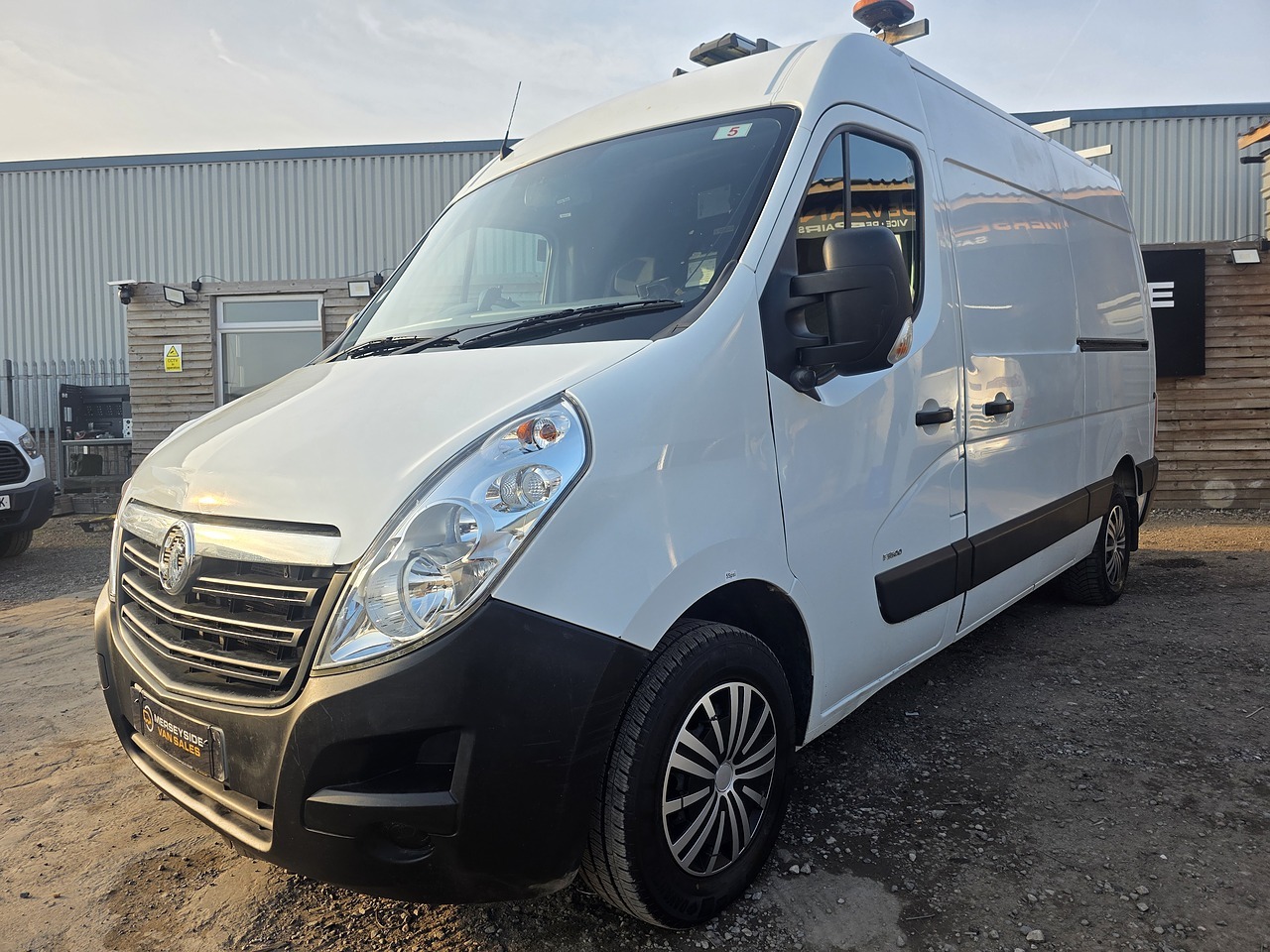
It is a rebadge, and an unusually complete one. Renault and Vauxhall’s parent companies have shared this van for a long time, so a Movano is a Master with Vauxhall badges, Vauxhall trim names and a Vauxhall warranty. Mechanically, structurally and dimensionally they are the same vehicle. The same van has also been sold as a Nissan and, in Europe, as an Opel.
That has three consequences you can actually use. Parts are interchangeable in most cases, so availability is good and prices are competitive. Any independent garage that knows one knows the other. And on the used market you should be searching for both names at once — restricting yourself to one badge halves your choice for no benefit whatsoever.
The one caveat: check the generation. The van was substantially redesigned over the years, and an early Movano and a late Master are not the same thing even though a mid-life Movano and a mid-life Master are. Compare like with like by year, not by badge.
Renault Master vs Vauxhall Movano: the short answer
Buy on condition, history and body size. If two otherwise identical vans are in front of you, the Renault-badged one has historically been a fraction easier to find parts and specialists for, because Renault sold more of them; the Vauxhall-badged one sometimes sits slightly cheaper used because the badge carries less weight in this class.
Neither difference is worth walking past a better van for. In a class where the vans are genuinely identical, the entire decision moves onto the individual vehicle — which is good news, because that is something you can actually inspect.
Large vans are only about one in ten of everything we sell. They are a specialist buy, and the people buying them usually know exactly what they need.
What actually differs between the two
- Trim and equipment names. Different labels for the same packages. Compare the equipment on the two vans in front of you, never the trim tiers against each other.
- Used values. The Movano often sits a little under the Master at the same age and mileage. That makes it the value pick going in and gives a little back when you sell.
- Dealer network. Vauxhall has more sites; Renault has more commercial-vehicle specialists. Which matters depends entirely on whether you use a franchise or an independent.
- Availability by body type. Chassis cabs, tippers, Lutons and crew vans exist under both badges but not in the same numbers, so the badge you end up with is often decided by which one came in the shape you needed.
- Front or rear-wheel drive. This is the genuinely important choice, and it is available on both. Front-wheel drive gives a lower load floor; rear-wheel drive carries more and pulls better when heavy.
Sizes, weights and payload: what to check before you buy
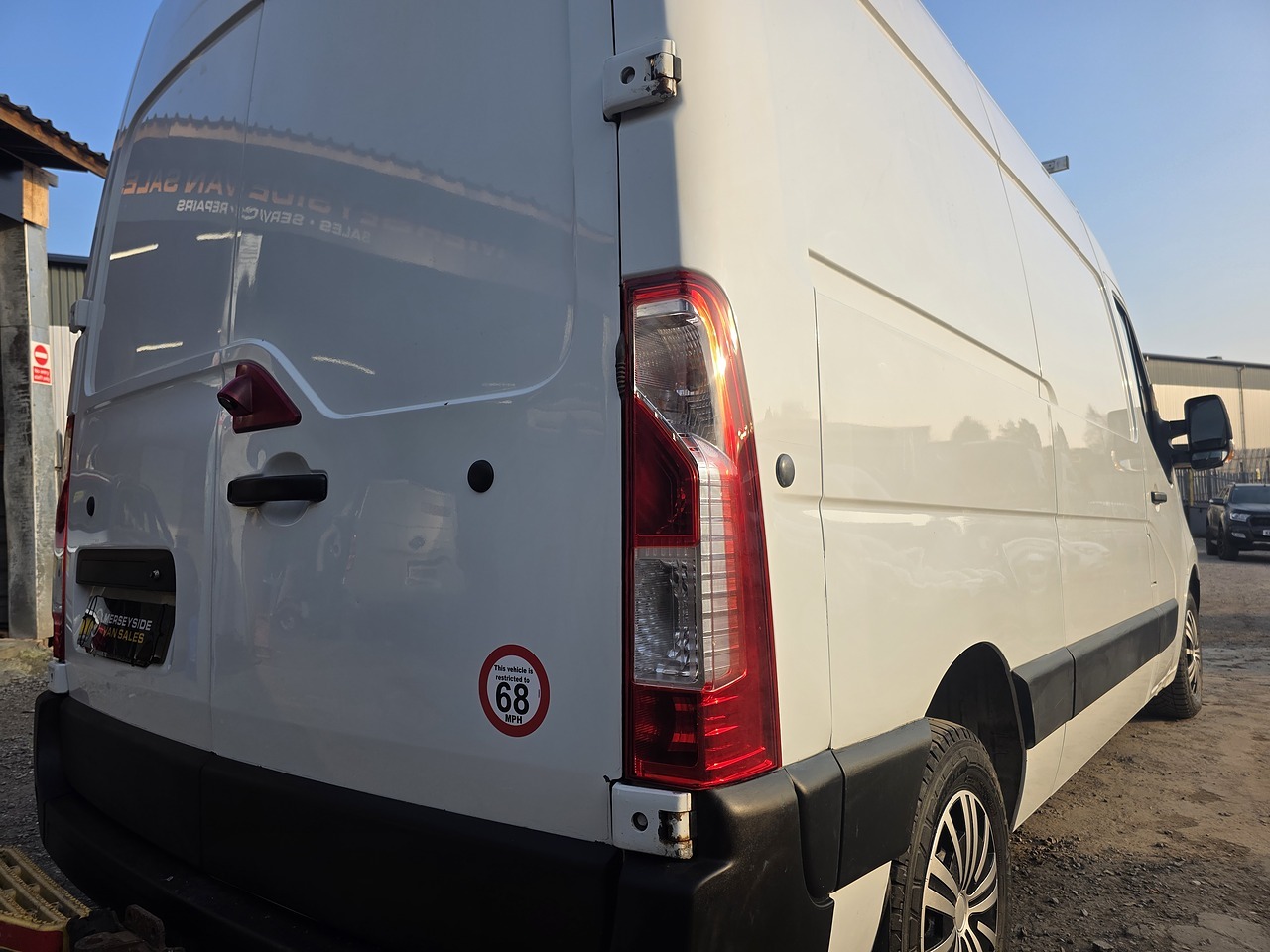
This is where large vans catch people out. Both are sold in several body lengths and roof heights, and in more than one gross weight — the heavier versions carry more but can bring different licence, tachograph and testing obligations with them. The van’s own plate is the authority on what it may weigh and carry, and the gov.uk explanation of vehicle weights shows you how to read it.
Two practical points. First, payload is eaten by everything you add: racking, a tail lift, a ply lining, a full tank. Work out what you will actually carry and leave headroom. Second, if you plan to tow, check what the van and your licence allow together — the gov.uk guidance on towing sets out the rules, and getting this wrong is expensive.
On body choice: the medium length with the medium roof is the most useful all-rounder and the easiest to sell on. The longest, highest versions carry enormously and are genuinely awkward in a town, a multi-storey or a residential street.
Which is better to drive?
They drive the same, because they are the same van. What varies is the individual specification: rear-wheel-drive versions feel more settled with a load and less willing when empty, front-wheel-drive versions are easier around town and give a lower load floor. Higher-output engines make a real difference in a van this size, particularly if you carry weight or tow.
Both are far better to drive than a large van has any right to be — light steering, a commanding view, and a cab that is comfortable over long distances. The trade-off is size. A large van does not fit in a standard parking bay and does not clear every height barrier, and that shapes your day more than any handling difference could.
Running costs, parts and reliability
Effectively identical, and reasonable for the class. Shared parts across several badges keep prices sensible and availability high, and there is a real network of independent specialists who work on these vans daily.
The wear items to check on any high-mileage example are the ones a working large van earns: clutch and dual-mass flywheel, turbo, injectors, the diesel particulate filter on a van used short and cold, and the front suspension on anything that has been run heavy for years. Rear doors and their hinges take a beating on a delivery van, and a sagging rear end tells you the springs have had a life.
Read the MOT record before you travel to see one — what vans actually fail their MOT on covers what the advisories are telling you, and how to check a used van’s battery and electrics is worth ten minutes on a van this size, where a weak battery hides a lot.
Which should you buy used?
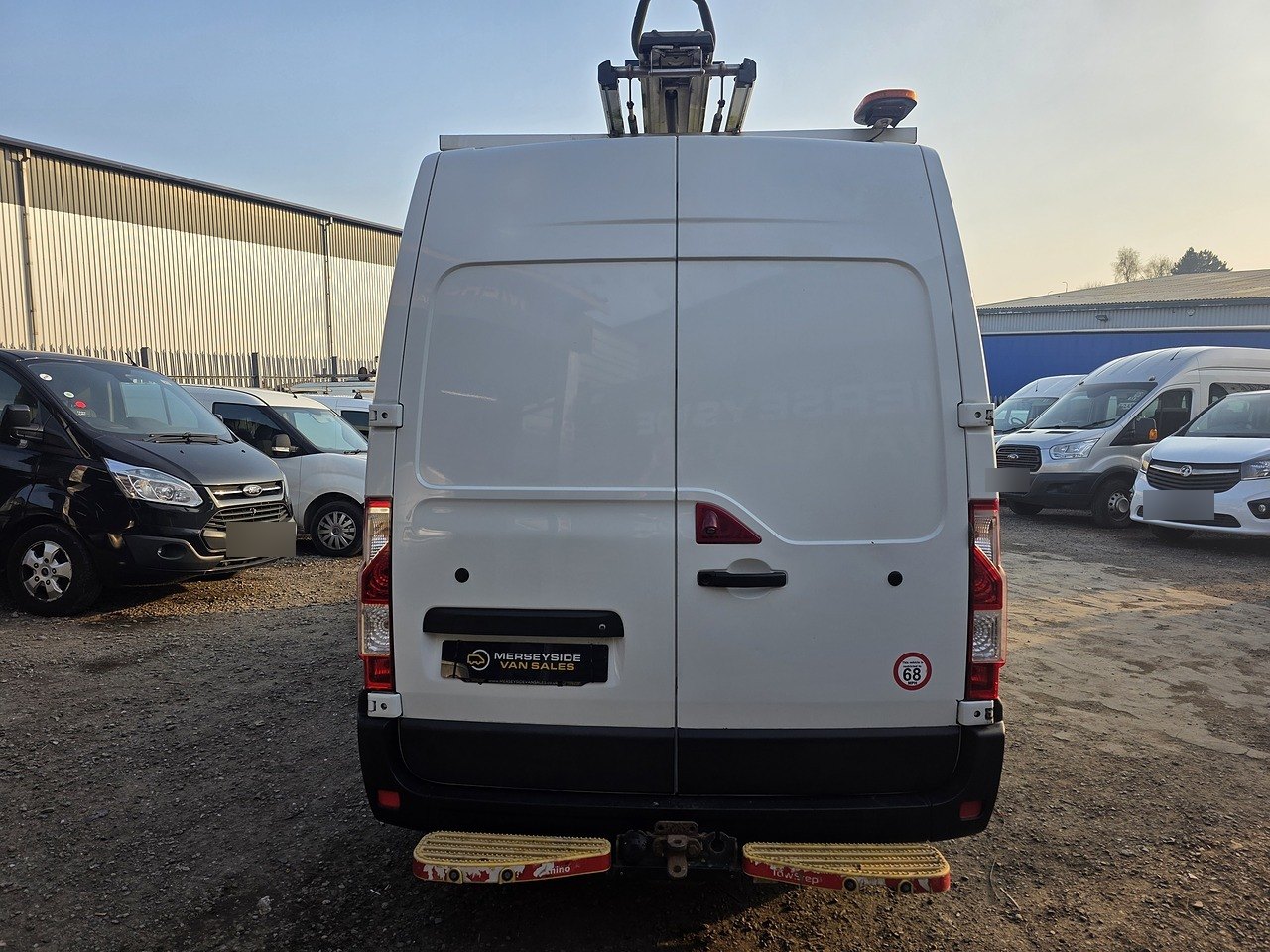
- Decide body length, roof height and gross weight first. These decide what the van can legally and physically do.
- Decide front or rear-wheel drive. Low load floor, or more capability under load. You cannot have both.
- Search both names together. Master and Movano, and add the Nissan equivalent if your search allows it.
- Buy on history. Full service record and a clean advisory pattern beat a lower number on the odometer — what counts as too high a mileage on a used van explains why, and large vans routinely run high.
- Check the emissions standard if you drive into a charging zone. On a van this size the daily charge adds up quickly.
- Let price and condition break the tie, and let the badge break it last.
If you are not certain a large van is the right size at all, our guide to choosing the right van is worth reading first — stepping down a class saves money in every direction. Our guide to buying a van covers the process. To see real vans, browse the Renaults we have in stock, the Vauxhalls we have available, or everything on the forecourt now.
Common questions
Is a Vauxhall Movano the same as a Renault Master?
Yes. It is a rebadge — same platform, same factories, same engines, same body sizes and the same weights. What changes is the badge, the trim names, the dealer network and usually the used price. The same van has also been sold under Nissan and Opel badges in different markets.
Which is better, the Master or the Movano?
Neither, because they are the same vehicle. Buy on body size, drivetrain, condition and history rather than badge. If two identical vans are in front of you, the Movano often costs slightly less used and the Master has a slightly deeper network of commercial-vehicle specialists behind it.
Should I choose front or rear-wheel drive?
Front-wheel drive gives a lower load floor, which makes loading easier and is usually the better choice for delivery and general trade work. Rear-wheel drive carries more, pulls better when heavy and is the one to have if you tow or run consistently at the top of the payload.
Do I need anything special to drive one?
It depends on the van’s gross weight, not on its badge. The lighter versions drive on an ordinary licence for most people; heavier variants can bring extra licence, tachograph or testing obligations. Check the plate on the van itself and the gov.uk weight guidance before you commit to anything.
Are these vans reliable at high mileage?
They can be, and they routinely reach high mileages in fleet use. The items to check are clutch and flywheel, turbo, injectors, the particulate filter on a van used short and cold, and front suspension on one run heavy. Service history matters far more here than the odometer reading does.