You don’t charge VAT on your invoices, so paying it on a van you’ll never reclaim it back on feels like throwing money away. Plenty of used vans are sold with no VAT added under something called the margin scheme, and knowing which ones are is the difference between a fair deal and an overpriced one.
This guide explains what margin scheme actually means, how it changes the price you pay, and what to check on the paperwork before you buy. We sell margin scheme vans every week from our Haydock site in St Helens, and the same confusion comes up almost every time.
What does ‘no VAT’ actually mean when buying a van?
‘No VAT’ on a used van usually means it’s sold under HMRC’s margin scheme, not that VAT has been avoided altogether. Under the margin scheme, VAT is worked out only on the dealer’s profit margin, not the full sale price, and it’s built into the figure you’re quoted rather than added on top and itemised. That’s different from a VAT-qualifying van, where 20% goes on top and a VAT-registered buyer can reclaim it. For a sole trader who isn’t VAT registered, a margin scheme van is nearly always the more sensible route, because there’s no VAT to add and none you could have reclaimed anyway.
How does the margin scheme change what you pay?
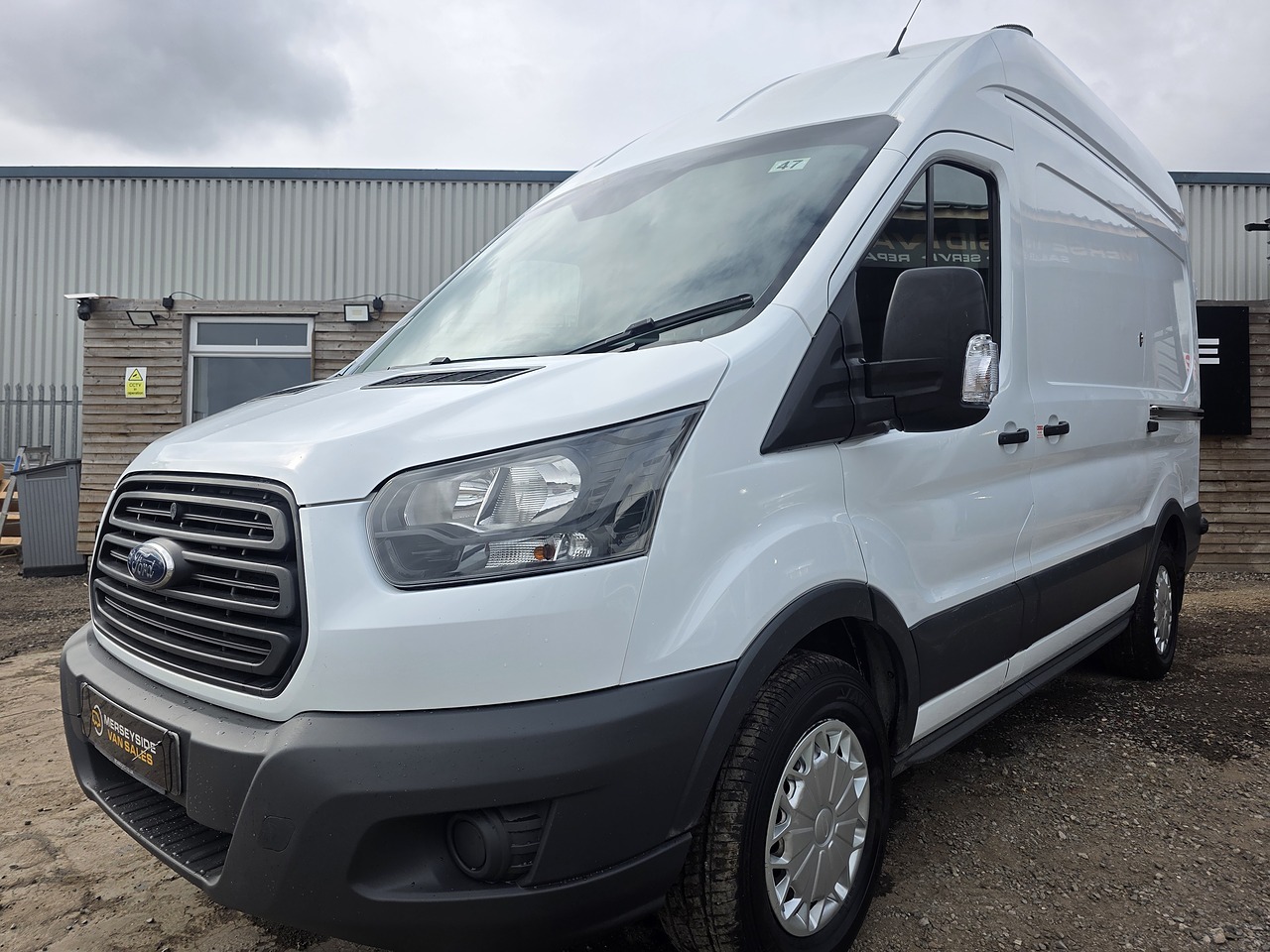
Under the margin scheme, VAT is due only on the difference between what the dealer paid for a van and what they sell it for, not the whole sale price. Say a dealer buys a Transit Custom for £9,000 and sells it for £11,500: VAT is worked out on the £2,500 margin, roughly one-sixth of that, around £417, and it’s folded into the £11,500 you see advertised. There’s no VAT line to reclaim because none was itemised to you. The price on the windscreen is the price you pay, full stop.
| Scenario | Sale price shown | VAT treatment | Effective cost if not VAT registered | Effective cost if VAT registered |
|---|---|---|---|---|
| Margin scheme van | £10,000 | VAT included in margin, not itemised | £10,000 | £10,000 (nothing to reclaim) |
| VAT-qualifying van | £12,000 | 20% VAT added, shown separately | £12,000 | £10,000 (after £2,000 reclaimed) |
| Margin scheme van | £14,500 | VAT included in margin, not itemised | £14,500 | £14,500 (nothing to reclaim) |
| VAT-qualifying van | £16,800 | 20% VAT added, shown separately | £16,800 | £14,000 (after £2,800 reclaimed) |
How can you tell a van is on the margin scheme?
The invoice is the only proof that matters. A margin scheme sale should carry wording confirming it, something like ‘this is a margin scheme sale, no VAT is shown or can be reclaimed’. There’s no separate VAT figure and no VAT number breakdown against the sale, just a total price. If a dealer can’t produce that wording, ask before handing over a deposit. HMRC can query a sale years later, and a missing line causes problems for you, not them.
Is the margin scheme always the better deal for a sole trader?
Not always. If you’re not VAT registered, a margin scheme van is usually the cheaper route for the same money, since there’s no 20% to add and nothing to reclaim anyway. If you are VAT registered, a VAT-qualifying van can work out better: a £12,000 van with VAT added comes to £14,400, but you reclaim the £2,400, leaving a real cost of £12,000. Compare the final cost after any reclaim, not the sticker price, before choosing.
What should you check before buying a margin scheme van?
Check the paperwork first: invoice wording, service history, and a full HPI check for outstanding finance, since the margin scheme has nothing to do with whether a van is clear to buy. Look at what you’d check on any used van: MOT history on the gov.uk MOT checker, mileage against age, and a compression or smoke test past 100,000 miles. A three-year-old Transit Custom with full history and 90,000 genuine miles beats an older one with gaps, margin scheme or not.
What this means if you’re buying in Merseyside
Most of the used panel vans passing through our Haydock site, from three-year-old Transit Customs to older Vivaros and Combos, are sold under the margin scheme, because that’s how this end of the trade buys and sells. Part-exchange vans coming in from sole traders across St Helens, Wigan and Warrington go back out the same way almost every time.
The mix-up we deal with most is buyers assuming ‘no VAT’ means the van is somehow untaxed or unregistered, when it simply means VAT was never itemised on the invoice. Ask to see that wording before you commit to anything. If a seller can’t produce a proper margin invoice, walk away: that paperwork is what protects you if HMRC ever queries the sale years down the line.
Common questions
No extra VAT is added on top of the price you’re quoted. The dealer accounts for VAT on their profit margin only, and that’s already built into the figure on the invoice. You pay the price shown and nothing more, which is exactly why margin scheme vans suit sole traders who aren’t VAT registered.
No, because none was ever itemised to reclaim. A margin scheme invoice shows only a total price with wording confirming it’s a margin sale, not a VAT breakdown. If reclaiming VAT matters to your business, you need a VAT-qualifying van from the start, with the 20% shown separately on the invoice.
Ask to see the invoice before you buy, or check the advert wording: ‘plus VAT’ or ‘VAT qualifying’ means 20% gets added, while ‘no VAT’ or ‘margin scheme’ means it’s built in. A genuine dealer tells you outright and puts the correct wording on the paperwork without being asked twice.
Not necessarily. The van itself is identical; the difference is purely how VAT is accounted for. A three-year-old Transit Custom in margin scheme condition, roughly £13,000 to £16,000 depending on mileage, is priced on the same market factors as any other, VAT treatment aside.
Small margin scheme panel vans like a Citroën Berlingo or Peugeot Partner with a genuine 1,000kg payload typically start around £6,500 to £8,000 for a 2017 to 2019 example with higher mileage. Condition and service history move that figure more than VAT treatment does, so check both before comparing price alone.
No, the margin scheme is a dealer VAT accounting method, not a private sale rule. A private sale carries no VAT at all regardless of wording, because private sellers aren’t VAT registered. See our guide on buying a van privately for what that means for your paperwork.
Related reading
- ULEZ Scrappage Scheme 2025: Can Your Old Van Earn You Cash?
- Can You Reclaim VAT on a Used Van? Real-World Scenarios Dealers Don’t Explain
Looking for your next van?
If you’re weighing a margin scheme van against paying VAT on top, bring the numbers and we’ll go through both for the van you actually want. We hold used panel vans across the main trade brands at our Haydock site in St Helens, most sold under the margin scheme. Come and look at the invoices, not just the price.
Browse our used vans for sale in St Helens →
Talk to us: 0151 272 0326 · WhatsApp · Email
Follow us: 


