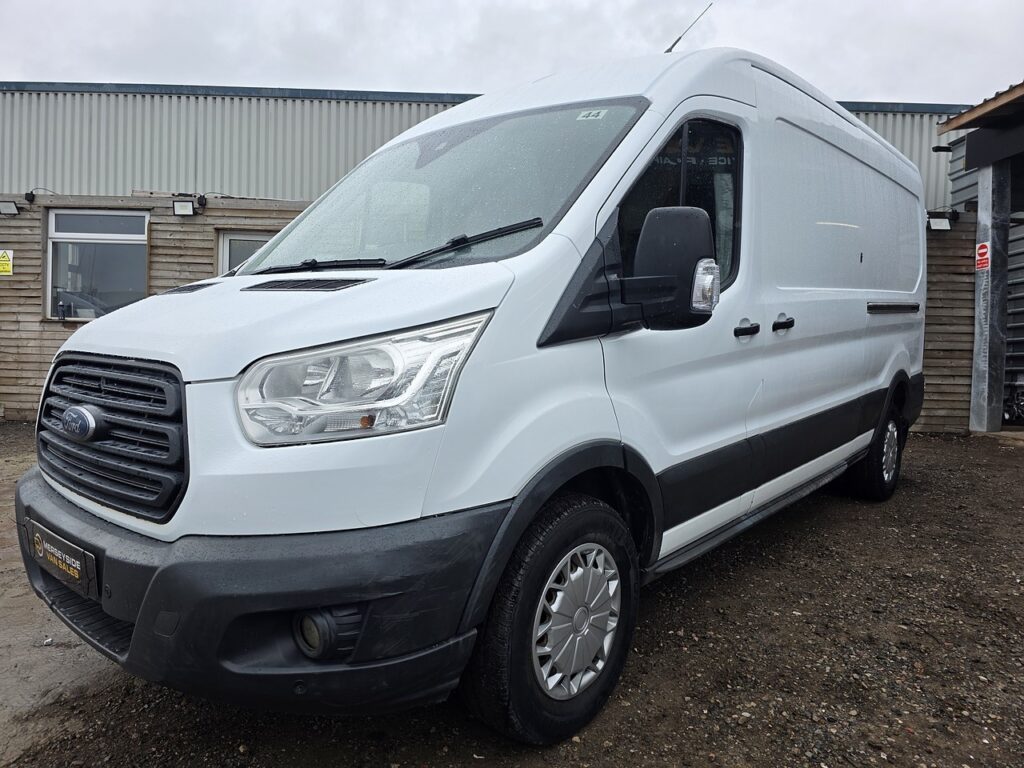
Ford sells three very different vans under one badge, and the names do not make it obvious. The Transit Connect is the small one, the size of a Vauxhall Combo. The Transit Custom is the medium one, the size of a Vivaro or a Trafic, and it is the one most trades want. The plain Transit is the large one — the tall, long removal-van shape. Getting this wrong is the most expensive mistake in the Ford range, and adverts do not always make clear which van you are looking at.
This comparison sits under our van comparisons, part of the Van Guides hub.
Transit, Transit Custom or Connect: which is which
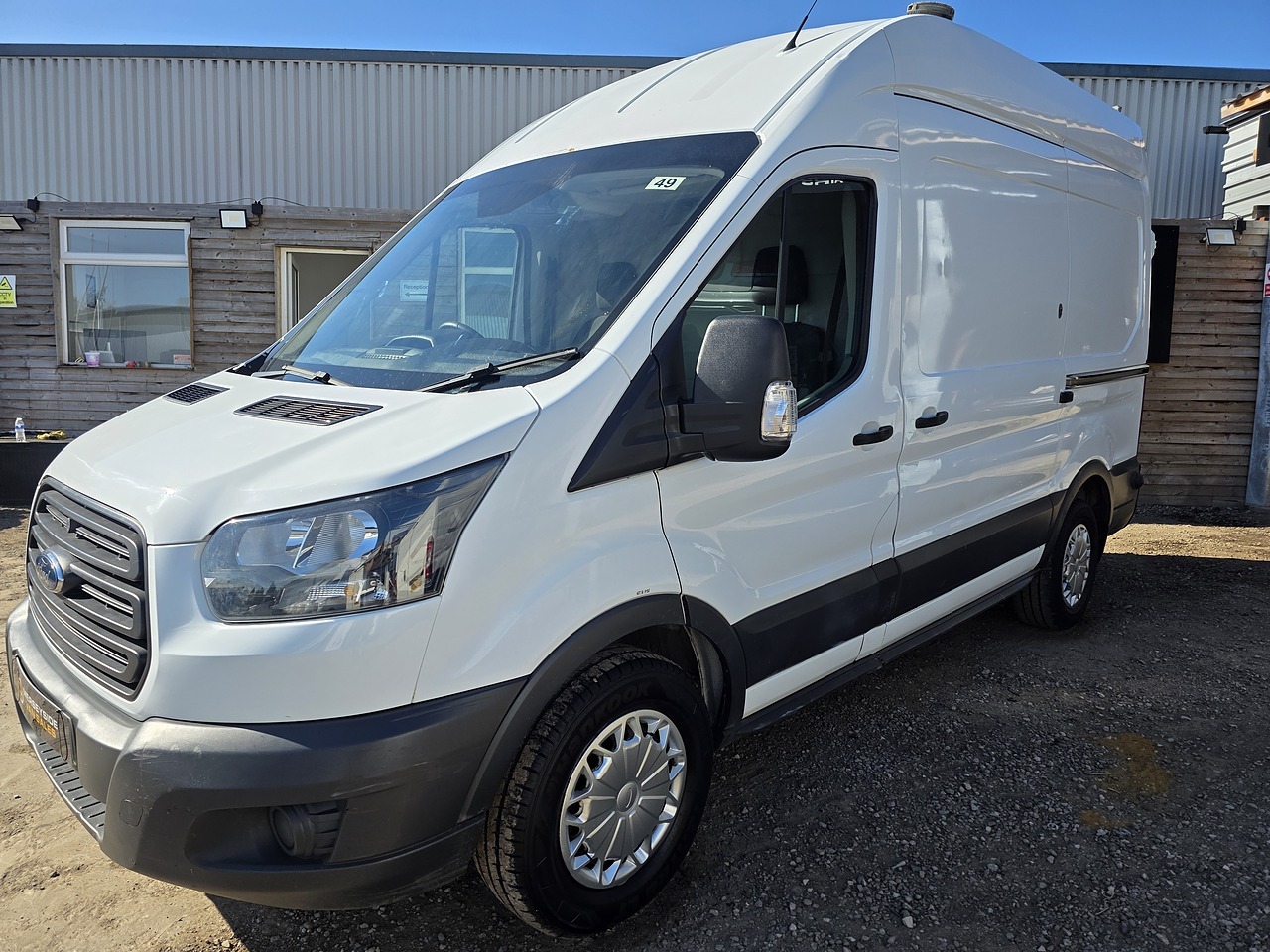
Think of them as small, medium and large, and ignore the badges for a moment.
- Transit Connect — a small van. Car-derived proportions, easy to park, carries tools and stock. Rivals the Combo, Berlingo, Partner and Caddy.
- Transit Custom — a medium van. A proper load bay you can work out of, still car-like to drive. Rivals the Vivaro, Trafic, Dispatch and Expert.
- Transit — a large van. Long, tall, and available in several weights and body styles including chassis cab, tipper and Luton. Rivals the Master, Movano, Sprinter and Boxer.
Two further names cause confusion on used adverts. Transit Courier is smaller again than the Connect, and Tourneo versions of all three are the passenger variants — more seats, less payload, and recorded differently, which matters for tax and insurance. Check what a van is actually recorded as before you get attached to it.
The three Fords between them are about one in every six vans we have ever sold, and the Custom is the one people walk in asking for by name.
What is the difference between a Ford Transit and a Transit Custom?
Size, and nearly everything that follows from size. The Transit is the large van; the Transit Custom is the medium one. The Custom is shorter, lower and narrower, which makes it far easier to live with in a town, on a domestic driveway or in a multi-storey. The Transit carries considerably more, sits higher, and is available at heavier gross weights that can bring extra obligations with them.
They are separate vehicles rather than two sizes of the same one: different platforms, different cabs, different parts. A part from one will not generally fit the other, and a garage quote for one is not a guide to the other.
The practical way to choose between them: if you can do your work in a medium van, do. The Custom is cheaper to run, easier to park, more pleasant to drive and easier to sell on. Step up to the Transit when the job genuinely needs the length, the height or the weight — not because it feels safer to have the space.
Ford Transit Connect vs Transit Custom
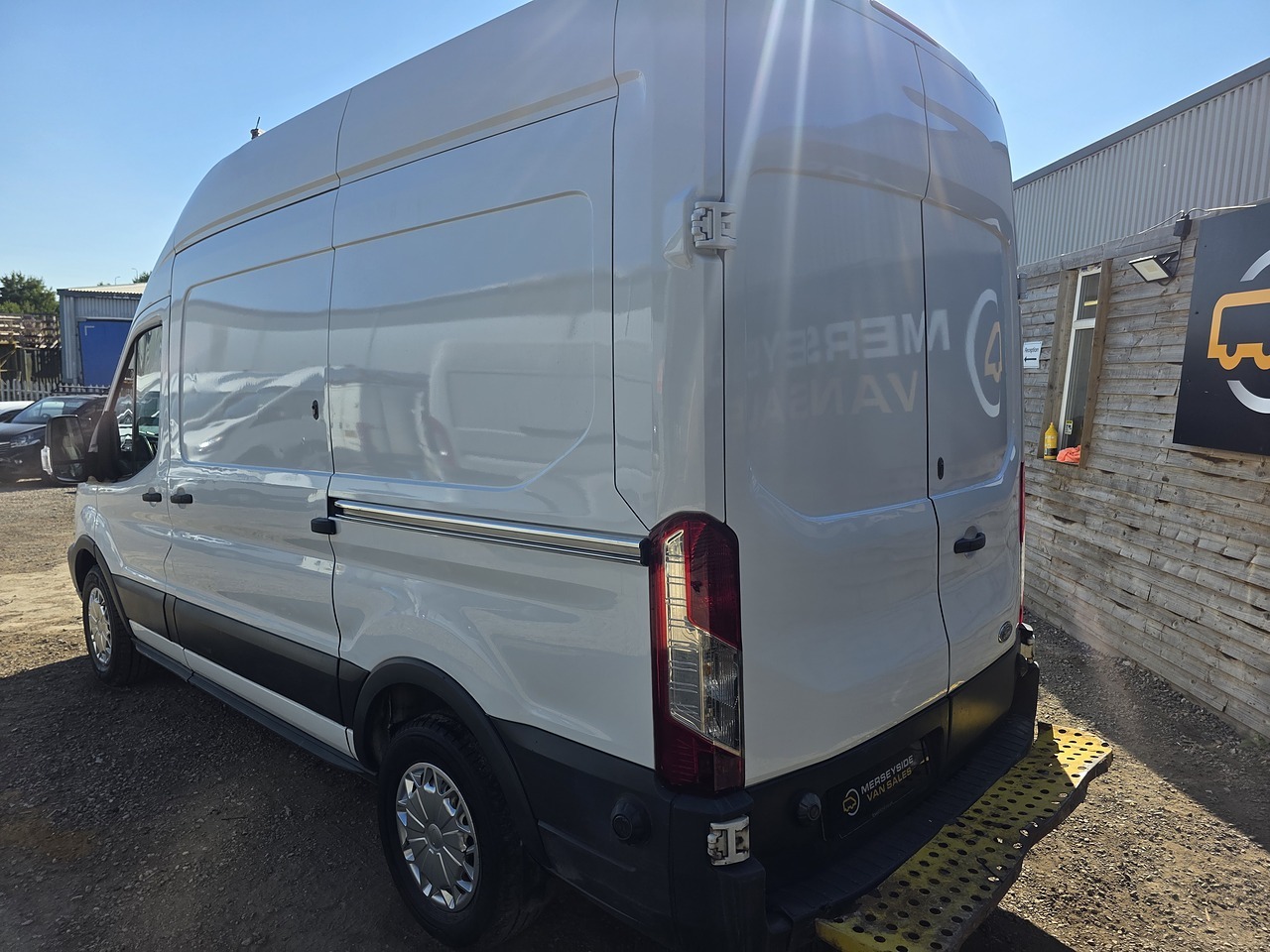
This is the choice most people are actually weighing, and it comes down to one question: do you carry materials, or do you carry tools and stock?
The Connect is a small van and behaves like a car. It parks anywhere, uses less fuel, costs less to buy and insure, and is completely adequate for a mobile trade running tools, parts and a few lengths. Its limits are height and load length — you cannot work standing up inside it, and long materials become a diagonal puzzle.
The Custom costs more in every direction and gives you a load bay you can genuinely use, a much higher payload, and the load-through hatch under the passenger seats on many versions, which lets it swallow lengths a Connect simply cannot. If there is any doubt, the Custom is the safer buy — it holds its value better and it will not be the reason you turn a job down.
Our honest steer: buy the Connect if you have measured what you carry and it fits. Buy the Custom if you are guessing.
Sizes side by side: length, height and payload
All three come in more than one body length, and the Transit and Custom in more than one roof height, so the model name alone does not tell you what a specific van will hold. Two vans with the same badge and the same year can differ by a metre of load length.
Payload is the one to check hardest, because it varies with body size, trim weight and every option fitted. Racking, a bulkhead, a tail lift, ply lining and a full tank all come off before you load anything. The van’s own plate is the authority — the gov.uk explanation of vehicle weights shows you how to read it, and on the heavier Transit variants it also tells you whether extra licence or testing obligations apply.
Which one suits your work?
- Tools, parts and a few lengths, mostly urban — Connect. Least expensive of the three to run, and the easiest to park.
- Materials, a full day’s stock, occasional long items — Custom. The default answer for most trades, and the one we sell most of.
- Bulk, height, weight, towing, or a specialist body — Transit. Take the size, but take it because the work needs it.
- Carrying a crew as well as a load — the crew-van versions exist across the range, and every one of them trades payload and load length for seats. Work out which you need more.
What each of the three is like to drive

Ford has a genuine advantage here and it holds across all three: accurate steering, controlled body movement and a cab laid out for someone working out of the van. The Custom is the best of the three to drive and one of the best vans in its class full stop. The Connect drives like a slightly tall estate car. The Transit is remarkably composed for its size, but it is a large vehicle and no amount of chassis tuning changes where it will fit.
Engine choice matters more than badge. The lower-output diesels are adequate in a Connect and hard work in a loaded Transit; the mid and higher outputs are worth having in the two bigger vans, especially if you tow. Automatics are pleasant in traffic and narrow your used choice.
Running costs, parts and what to check used
All three are exceptionally well supported — parts everywhere, every independent garage familiar with them, and enough used stock that you can afford to be fussy. That is worth real money over six years and it is the strongest practical argument for a Ford.
The checks are shared. The diesel particulate filter and EGR on a van used short and cold. Clutch and dual-mass flywheel on one run heavy in town. Turbo and injectors. Cambelt history on the later two-litre engines, which is the most expensive thing to get wrong. Sliding doors and their runners on delivery vans. And security — Fords are a theft target, so check what deadlocks are fitted and that they all work.
Read the MOT record before you travel, advisories included; the gov.uk guidance on when a vehicle needs an MOT covers the testing rules, and what counts as too high a mileage on a used van explains why the odometer is the least useful figure in the advert.
Which should you buy used?
Establish which of the three the advert is actually describing — that alone prevents most bad Ford purchases. Then pick the size on what you carry, not on what you might one day carry. Then buy on history: full service record, clean advisory pattern, evidence of what the van did for a living, and the belt done with paperwork to prove it.
If the Custom is where you have landed, we have written more on it: why the Transit Custom still rules covers which years and engines to look for and the faults that matter, and the Custom taking Van of the Year explains what that award does and does not tell you. If you want to see how it stacks up outside the Ford range, Transit Custom against the Vauxhall Vivaro is the comparison most of our customers need.
Still working out the size? Our guide to choosing the right van goes through it properly, and our guide to buying a van covers the process. To see real vans, browse the Fords we have in stock or everything on the forecourt now.
Common questions
What is the difference between a Ford Transit and a Transit Custom?
Size, and everything that follows from it. The Transit is the large van — long, tall, available at heavier weights and in specialist body styles. The Transit Custom is the medium van below it, about the size of a Vauxhall Vivaro. They are separate vehicles with different platforms, cabs and parts, not two sizes of one van.
Is the Transit Connect smaller than the Transit Custom?
Yes, considerably. The Connect is a small van with car-derived proportions, roughly the size of a Vauxhall Combo. The Custom is a medium van with a load bay you can work out of and a much higher payload. Ford also sells the Transit Courier, which is smaller again than the Connect.
Which Ford van should I buy for a trade?
The Custom suits most trades and is the one we sell most of. Choose the Connect only if you have measured what you carry and it genuinely fits, because it is cheaper in every direction. Step up to the full-size Transit when the work needs the length, height or weight — not as insurance.
What does Tourneo mean on a Ford van?
It is the passenger version of the same vehicle — more seats, more windows, and less payload and load length as a result. Tourneos are recorded differently from panel vans, which affects tax and insurance. Check what a van is actually registered as before you commit, because it changes more than the seating.
What should I check on any used Ford van?
Which of the three it actually is, first. Then the cambelt history on later two-litre engines, the particulate filter on a van used short and cold, clutch and flywheel on one worked heavy, sliding-door runners, and the security fitted. Read the full MOT record including advisories before you travel to see it.