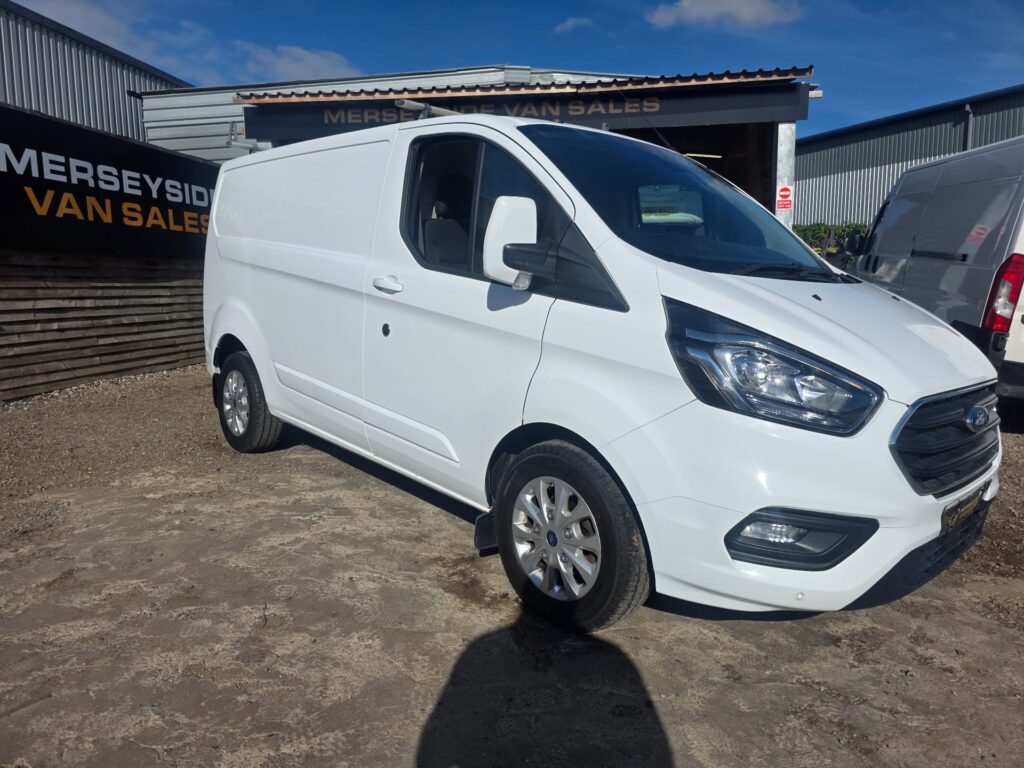
Ford Transit Custom or Vauxhall Vivaro? For most buyers the Transit Custom is the stronger van and the Vivaro is the better value: the Custom carries a little more, has the bigger load area in long-wheelbase form and is easier to sell on, while the Vivaro usually costs less at the same age and mileage and does the same job for most trades. Which one is right for you comes down to how heavy your daily load is, how many miles you cover and how long you plan to keep the van.
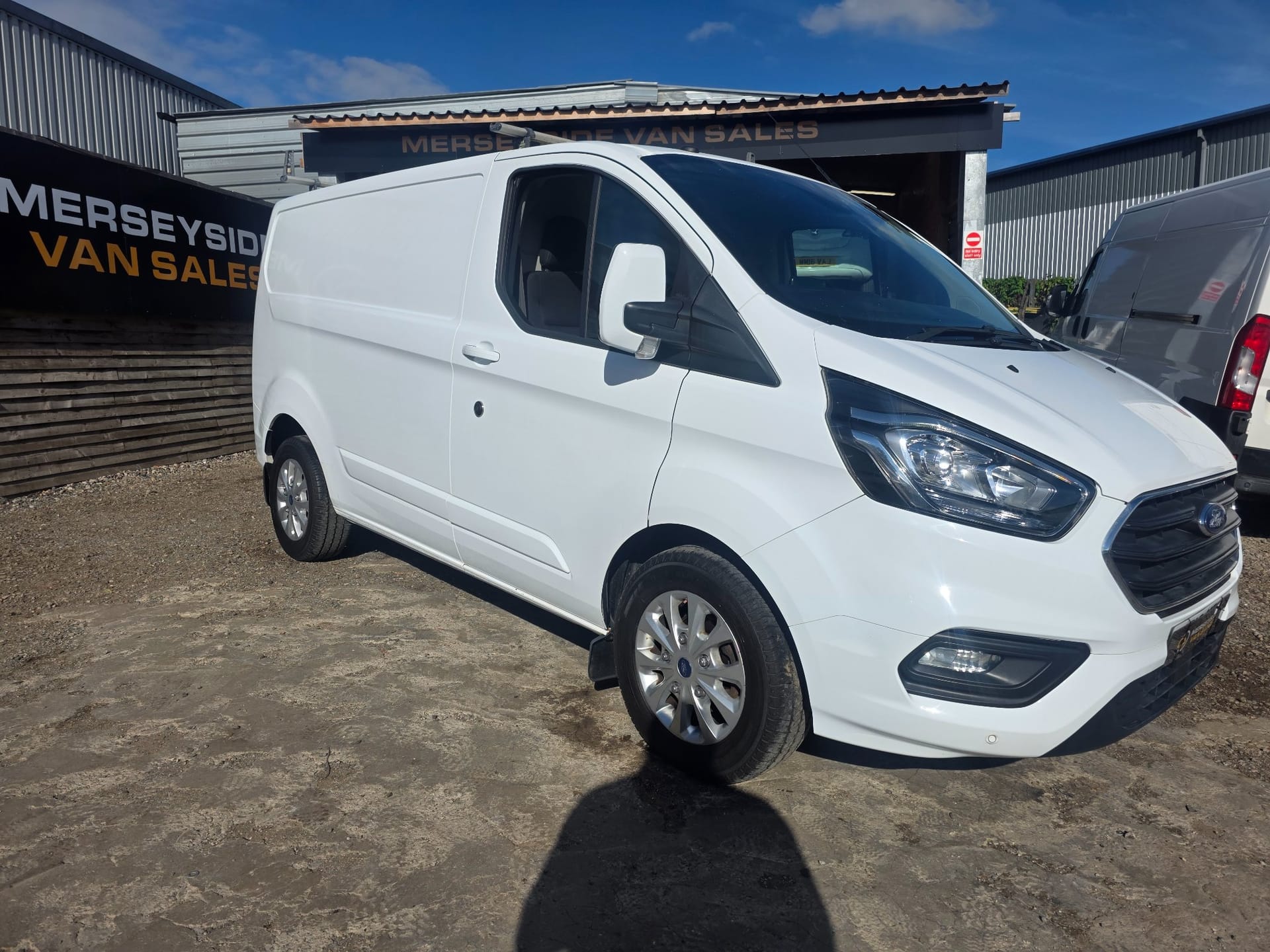
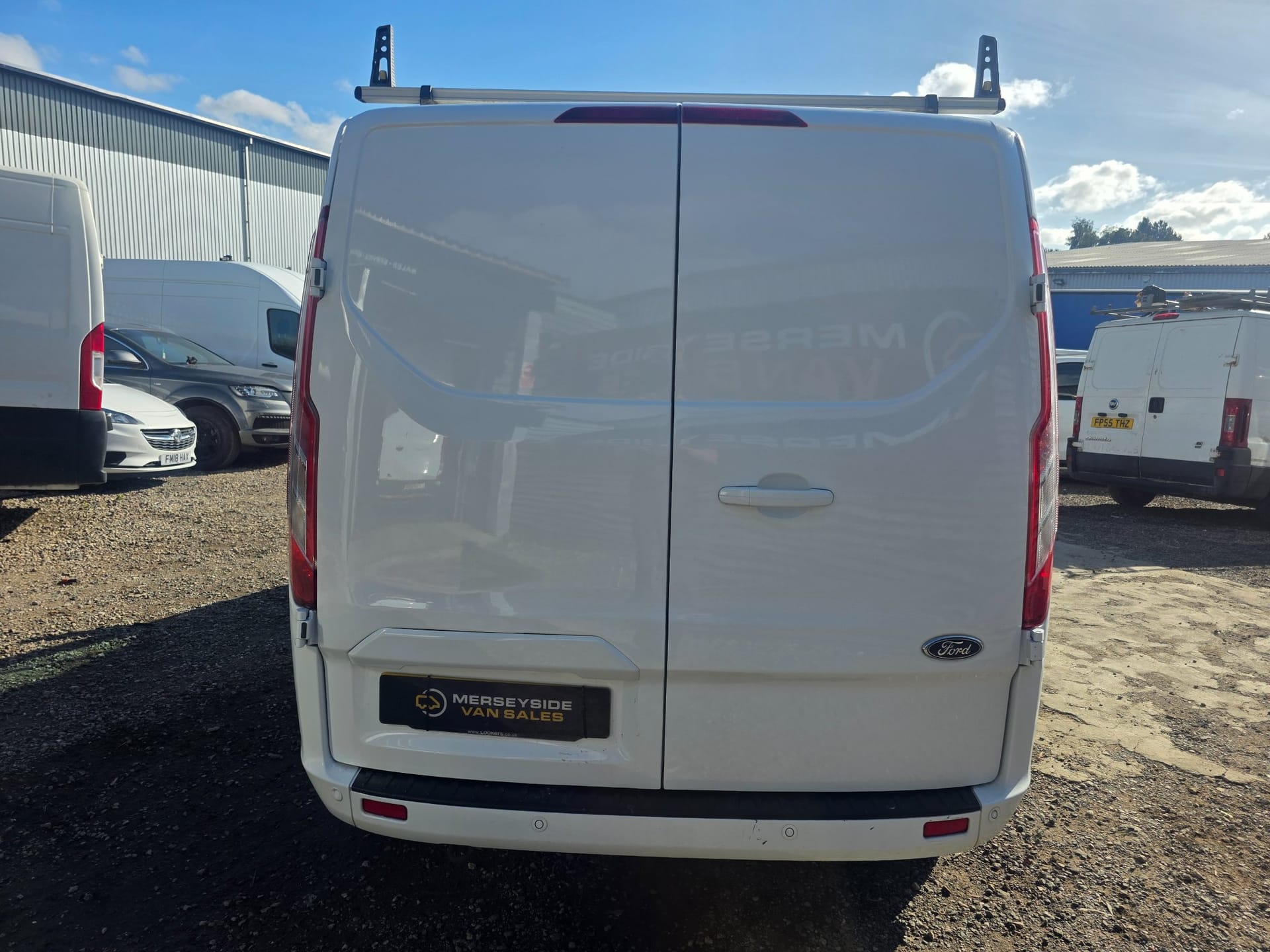
Which is better, the Transit Custom or the Vivaro?
Neither van wins outright, and anyone who tells you otherwise is usually selling one of them. The Transit Custom is the default medium van in Britain, so it has the deepest parts supply, the most independent garages that know it well and the strongest trade demand when you come to sell. The Vivaro is the van people buy when they look at what they actually carry and decide they do not need to pay for the badge.
We sell both, and we sell a lot more of one than the other: across our history we have sold more than three Vivaros for every Transit Custom. That is not because the Vivaro is the better van. It is because our customers are mostly spending their own money, and the Vivaro is the most honest route into a proper medium panel van for the least outlay.
How do they compare on payload and load space?
On paper the Custom carries more. Depending on derivative, a Transit Custom’s payload runs from roughly 950 kg to around 1,400 kg, and a long-wheelbase body gives up to about 8.3 cubic metres of load space. A current-shape Vivaro (2019 onwards) runs from roughly 900 kg to around 1,270 kg, with up to about 6.6 cubic metres in its longer body.
Two things matter more than the headline numbers. First, check the generation: Vivaros built before 2019 share their body with the Renault Trafic and are a different van, with a different load area, so do not compare a 2017 Vivaro against a 2021 Custom and assume the figures carry across. Second, check the plate on the B-pillar or the V5C for the van’s actual gross weight, because payload on a used van depends on the exact version and anything fitted since.
- Transit Custom: wider load area at the rear doors, which helps with pallets and sheet materials.
- Vivaro: lower load floor, which makes lifting heavy kit in and out easier on your back.
- Both: a full bulkhead is usual on panel versions, but older vans sometimes have it removed, so look before you buy.
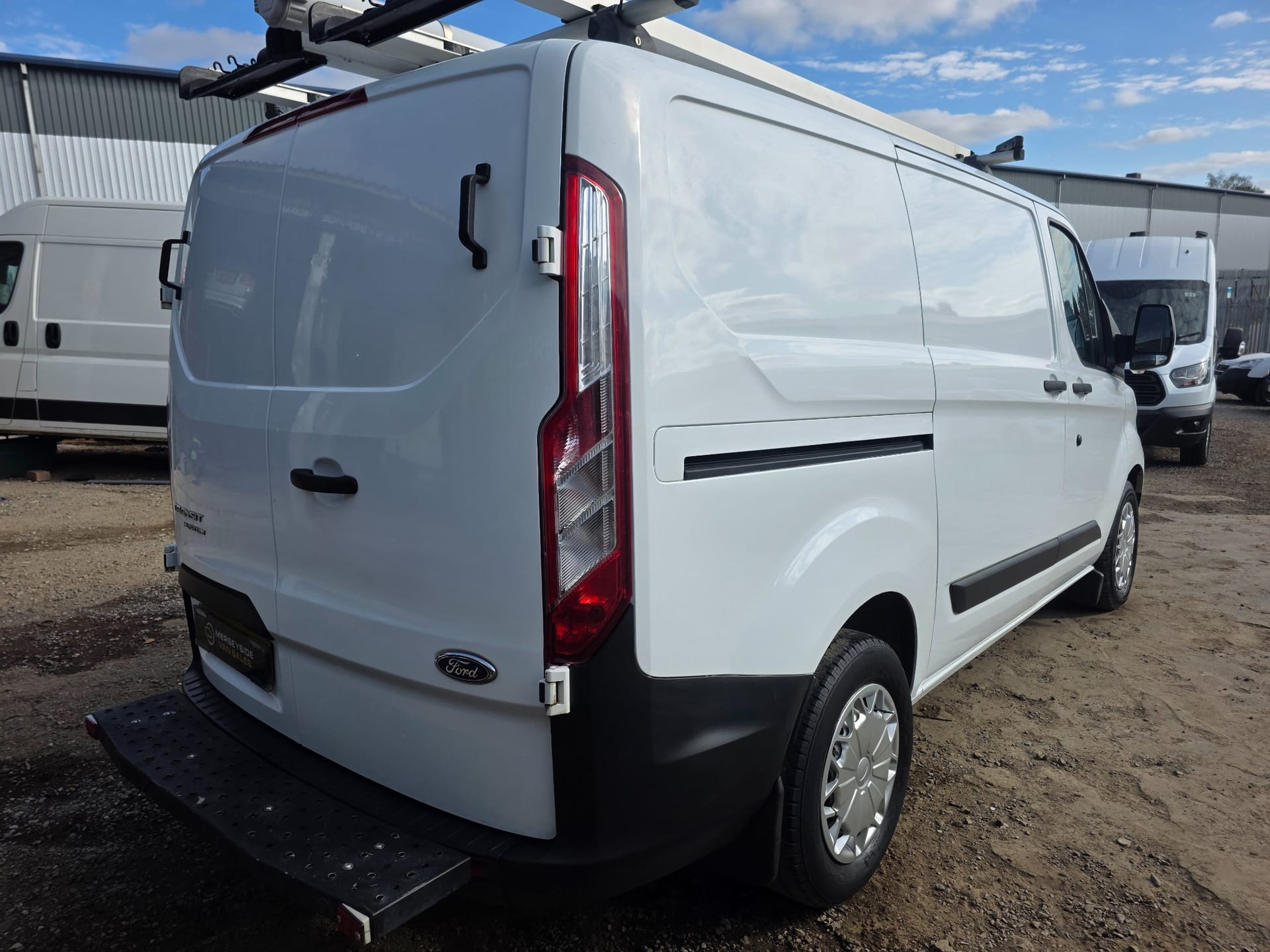
Which costs less to run?
Fuel economy is close enough that it should not decide the purchase. Both run 2.0-litre-class diesels on most used examples, and real-world economy depends far more on how and where the van is driven than on which badge it wears. Servicing costs are similar at an independent garage. Road tax is set by the rules for light goods vehicles rather than by the model, which you can check on the gov.uk vehicle tax rate tables.
Where running costs do diverge is in the faults. The ones we see most on both vans are corroded rear door hinges, worn front suspension bushes and diesel particulate filter warnings on higher-mileage examples. Vivaros that have spent their lives on short urban runs can be more sensitive to DPF problems, so ask how the van has been used, not just how far it has gone. We have also found the Custom costs us more, on average, to prepare for sale, which is worth knowing if you are buying privately and doing that work yourself.
Which holds its value better?
The Transit Custom, generally. Stronger trade demand means a Custom usually sells for more than a Vivaro of the same age and mileage, and that gap tends to hold through the van’s life. That is a point in the Custom’s favour if you change vans every three years. It is much less of one if you plan to run the van until it is done, because you will have paid more up front for value you never collect.
Put simply: buy the Custom if you will sell it on in a few years and want the easiest resale. Buy the Vivaro if you will keep it, because the saving at the start is money in your pocket from day one.
What should you check on a used one?
The checks are the same for both, and the service history matters more than the model. Run the registration through the gov.uk MOT history checker before you travel: advisories that repeat year after year tell you what the last owner chose not to fix. Then look for:
- Rust at the rear door hinges and the sill ends.
- Knocks from the front suspension over speed bumps.
- Any DPF or engine warning light, and whether it clears after a decent run.
- A clutch that bites high, which on a hard-worked medium van is a bill waiting to happen.
- Matching keys, a full service record and a V5C in the seller’s name.
Our guide to buying a used van walks through the full inspection in order.
Which suits your work?
For local, stop-start work around Merseyside, either van is fine provided the DPF gets a proper run on the motorway now and then. For heavier daily loads, such as a plasterer’s or a builder’s, the Custom’s higher payload ceiling gives you more room before you are overweight, which matters because an overloaded van is a roadside fine and an insurance problem as well as a wear problem. If you cover big motorway miles, the Custom is the slightly easier long-term van. If your loads are mostly tools and lighter materials, the Vivaro does the same job and leaves more of your budget for the van’s condition.
If you want the case for the Vivaro on its own, read our full Vivaro review. If you are weighing the Custom against the bigger Transit or the smaller Connect instead, our Transit, Transit Custom and Connect comparison covers that choice.
Are there newer versions to consider?
Yes. Ford launched a new-generation Transit Custom in 2023, and Vauxhall sells the Vivaro in electric form as well as diesel. Both are still young on the used market, so most buyers will be choosing between earlier diesel vans for some time yet. If you are considering an electric one, check the battery warranty that remains and how far the van will actually go on your routes in winter before you decide.
Common questions
Is the Transit Custom more reliable than the Vivaro?
Not in any way that should decide your purchase. The faults we see most often, corroded door hinges, worn suspension bushes and DPF warnings on high-mileage vans, turn up on both. A well-serviced Vivaro is a better buy than a neglected Custom every time, so buy on history rather than badge.
Which has more load space?
The Transit Custom, in long-wheelbase form. The current Vivaro is a little smaller inside. Older, pre-2019 Vivaros share their body with the Renault Trafic and are much closer to the Custom, so check which generation you are looking at before comparing.
Does a Transit Custom hold its value better?
Generally, yes. Stronger trade demand means a Custom usually sells for more than a Vivaro of the same age and mileage. That only helps you if you sell within a few years; if you will run the van into the ground, the cheaper van is often the better deal.
Can I drive either on a car licence?
Yes. Both are under 3.5 tonnes gross, so a standard category B licence covers them. The gov.uk licence categories page sets out exactly what each category allows, including towing.
Can I get finance on either van?
Yes, both can be bought on finance, subject to status and affordability checks. Compare the total amount you will repay rather than only the regular payment, and read the agreement before you sign. Our van finance guide explains how it works.
Whichever way you are leaning, it is worth sitting in both before you decide. See the vans we have in stock now, or ring us on 0151 272 0326 and we will tell you what a particular van has been through.
If the money is the open question rather than the van, our van finance guide takes it from there.
Merseyside Van Sales is a credit broker, not a lender. Finance is subject to status and affordability checks, and is available to over-18s only. A representative example is available on request. Figures quoted are illustrative and do not constitute an offer of finance.
Related guides
Talk to us: 0151 272 0326 · WhatsApp · Email
Follow us: 


