
The Ford Transit Custom and the Renault Trafic are medium vans of almost identical size doing almost identical work, and choosing between them comes down to what you value. The Custom is the better van to drive, feels better built from the driver’s seat and holds its value more strongly. The Trafic is the quieter bargain — genuinely good, considerably less sought after, and therefore usually less money for the same age and mileage. Neither is a mistake, and the individual van’s history will matter more than the badge.
This comparison sits under our van comparisons, part of the Van Guides hub.
Transit Custom vs Renault Trafic: the short answer
Take the Custom if you live in the van, cover distance, and change vehicles every few years — it is more comfortable, more composed and gives more back when you sell. Take the Trafic if you want the most van for the money and are happy to keep it a long time.
One thing to be clear about before you go further: the Trafic is a medium van, the same class as the Custom. If you have been comparing it against a full-size Ford Transit, you are looking across two different classes — our Transit, Transit Custom and Connect comparison sorts the three Fords out.
We have sold many times more Vivaros than Trafics, and they are the same van. That tells you more about how the UK buys vans than it does about either of them.
Where the Custom and the Trafic actually differ
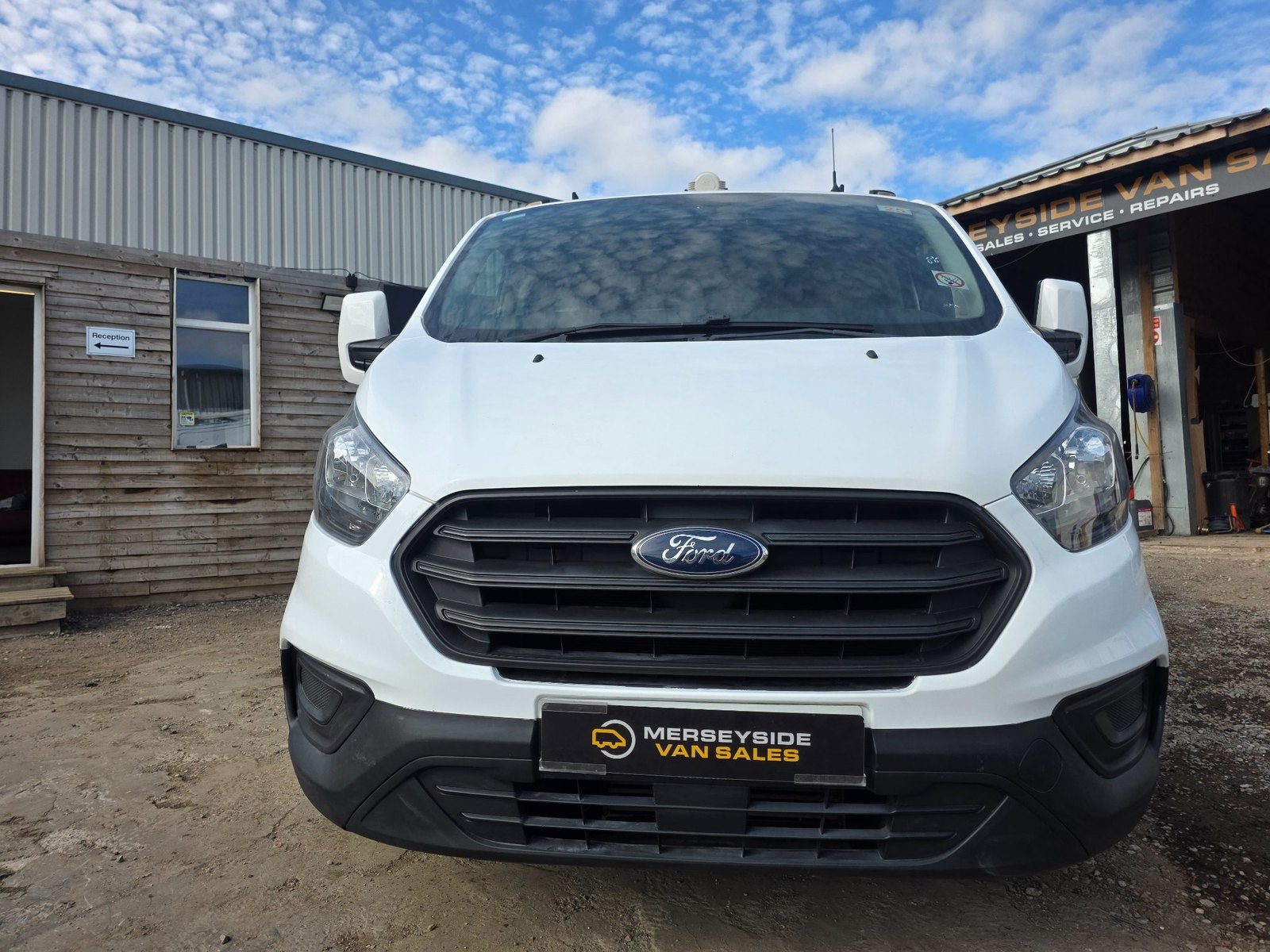
- Cab and comfort. The Custom is ahead — better seat, better layout, quieter at speed. The Trafic’s cab is practical and well thought out, with genuinely good storage, but it feels a step behind.
- Ride and handling. The Custom is the more composed, particularly loaded. The Trafic rides comfortably and steers lightly; it just does not feel as tied down.
- Used value. The Custom holds more. That is the single biggest financial difference between them and it works in both directions.
- Availability. There are far more Customs on the used market, and far more Vivaros — which is the same van as the Trafic under a different badge. Search all three names and your choice widens enormously.
- The load-through hatch. Common on Customs and it lets a shorter van take long lengths. Check the individual van; it can decide the purchase on its own.
- Servicing network. Ford is everywhere. Renault has a good commercial-vehicle specialist network that is less visible but perfectly capable.
Load space, payload and lengths compared
Close enough that it rarely settles the argument. Both come in two body lengths, both offer a raised roof on some versions, and both take a standard pallet through the rear doors. The Trafic’s load bay is usefully square and its longer body swallows more than people expect; the Custom’s advantage is the load-through hatch rather than raw dimensions.
Payload varies with body size, roof height, trim and every option fitted, so read the plate on the actual van rather than a brochure figure — the DVLA vehicle checker will confirm what a van is recorded as, and the plate tells you what it may weigh. Racking, a bulkhead, a roof rack and a full tank all come off before you load anything.
Which is better to drive?
The Custom, and it has been the class benchmark for years: accurate steering, controlled body movement with weight on board, and a driving position that suits a long day. The Trafic is comfortable and easy rather than sharp — light steering, a soft-edged ride, good visibility. Perfectly pleasant, half a class behind.
Engine output matters more than badge in daily use. Lower-output diesels are fine for a lightly loaded van on local work; the mid and higher outputs are the ones to have if you carry weight, tow, or spend real time on motorways. Automatics exist in both and narrow your used choice considerably.
Electric: E-Transit Custom vs Trafic E-Tech
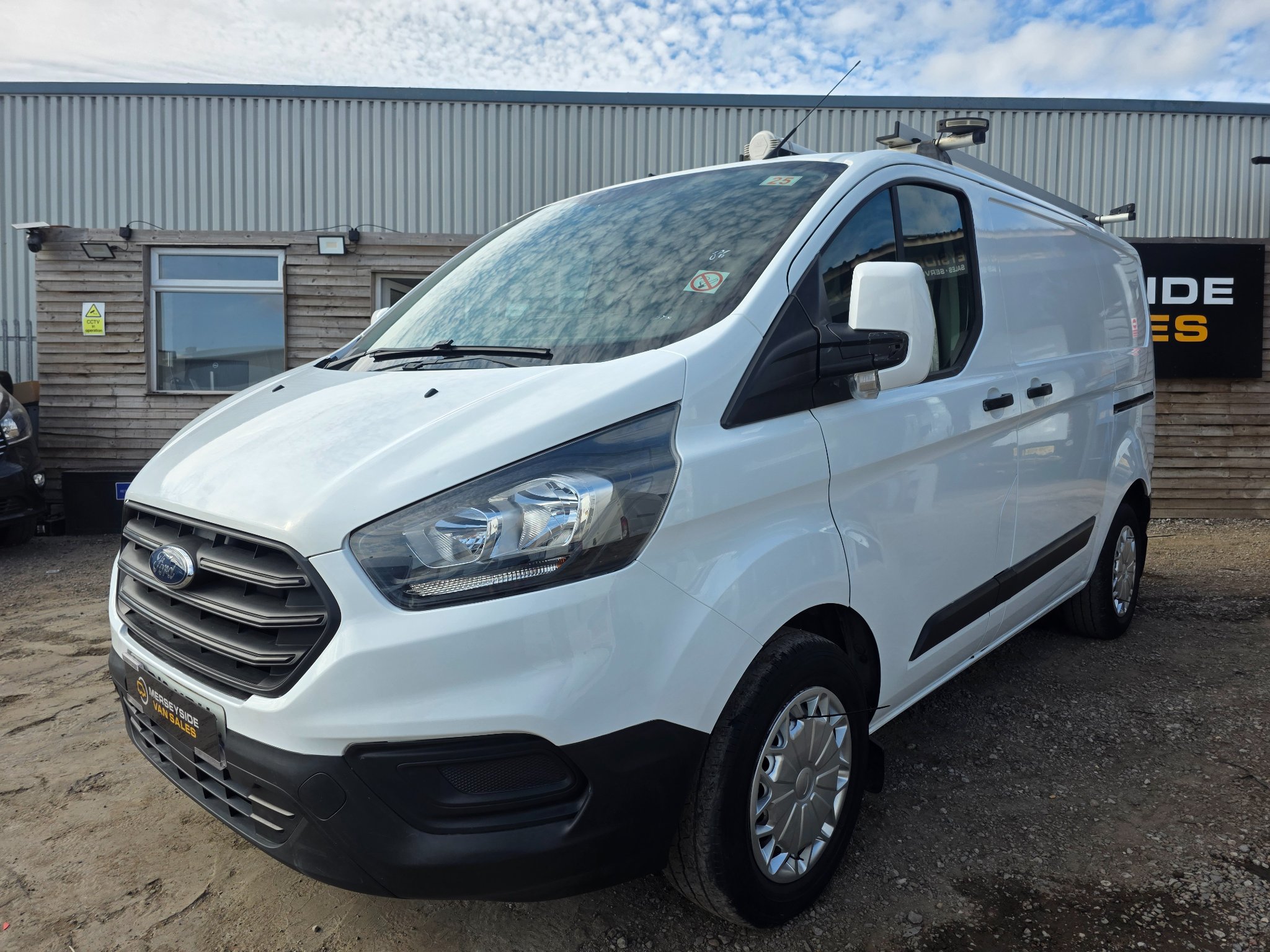
Both makers sell an electric version of these vans, and the honest position for a used buyer is that the market for them is still thin. There are relatively few about, they were bought overwhelmingly by fleets and councils, and they have not yet reached the age and price where most working buyers meet them.
When you do get the choice, judge them the way you would judge any electric van: on whether your routes are predictable, largely urban, and whether you can charge at base. If all three are true, an electric medium van is genuinely good — no tailpipe emissions, no charge in any clean air zone, and running costs that are hard to argue with off-peak. If you tow, carry heavy loads over distance, or have nowhere reliable to charge, the diesel remains the sensible buy.
Two practical cautions on a used electric van of either badge. Battery condition and warranty status matter far more than mileage does, so establish both in writing before you commit. And check the payload on the specific van — battery weight takes a real bite out of it, and the gap between an electric van’s payload and its diesel equivalent’s is bigger than the brochure impression suggests.
Running costs, reliability and what goes wrong
Broadly level. Parts for both are available and sensibly priced, and independent garages are comfortable with either. Fuel economy is comparable at the same output, and vehicle tax is the flat light-goods rate for both.
The faults are the shared faults of hard-worked medium diesels: the particulate filter and EGR on a van used short and cold, clutch and dual-mass flywheel on one run heavy in town, turbo and injectors, sliding-door runners on delivery vans, and tired rear suspension with unevenly worn rear tyres. On later two-litre Customs, get the cambelt history in writing — it is the most expensive item on either van to get wrong. On the Trafic, ask about timing servicing in the same terms.
Read the MOT record with the advisories before you travel to see anything; the gov.uk guidance on when a vehicle needs an MOT covers the testing rules, and what counts as too high a mileage on a used van explains why the odometer decides less than the service book.
Is a Renault Trafic the same as a Vauxhall Vivaro?
Yes, from 2014 onwards — same platform, same engines, same body sizes, built alongside each other and also sold under Fiat and Nissan badges. That is directly useful here, because it means your Trafic shortlist should include Vivaros: same van, far more of them on the UK used market, and often slightly less money.
We have written that pairing out in full rather than repeat it: Renault Trafic against the Vauxhall Vivaro covers what the badge does and does not change.
Custom or Trafic: which should you buy?
- Confirm the class. Both are medium vans. If a full-size Transit is on your list, you are shopping two classes at once.
- Pick the body length and check whether the Custom has the load-through hatch.
- Widen the Trafic search to include the Vivaro — same van, much more choice.
- Buy on history. Full service record, clean advisory pattern, belt evidence on a later Custom.
- Check the emissions standard on the registration if a charging zone is part of your week.
- Let price decide between two vans you would be happy with either way, and let the badge decide last.
If you have settled on the Custom, why the Transit Custom still rules covers which years and engines to look for and the faults that matter on a high-mileage example.
Still deciding on size? Our guide to choosing the right van works through it, and our guide to buying a van covers the process. To see real vans, browse the Fords we have in stock, the Renaults we have available, or everything on the forecourt now.
Common questions
Which is better, the Ford Transit Custom or the Renault Trafic?
The Custom is the better van to drive and holds its value more strongly. The Trafic does the same job for less money and is the better buy if you keep vans a long time. Both are medium vans of near-identical size, and the service history of the individual van matters more than the badge on it.
Is a Renault Trafic the same as a Vauxhall Vivaro?
From 2014 onwards, yes — same platform, engines and body sizes, built alongside each other, and also sold under Fiat and Nissan badges. That is worth knowing when you shop, because including Vivaros in your search widens your choice considerably for the same van.
Is a Renault Trafic the same size as a Ford Transit?
No. The Trafic is a medium van and its Ford equivalent is the Transit Custom, not the full-size Transit. The plain Transit is a class larger — longer, much taller and sold at heavier weights. Comparing a Trafic with a full-size Transit means comparing across two classes.
Should I consider an electric version of either?
Only if your routes are predictable, largely urban, and you can charge at base. The used market for both is still thin and dominated by ex-fleet vehicles. If you do look, establish battery condition and remaining warranty in writing, and check the payload on the specific van — battery weight takes a real bite out of it.
What goes wrong on these two vans?
The same hard-worked medium-diesel items on both: particulate filter and EGR on a van used short and cold, clutch and dual-mass flywheel, turbo and injectors, sliding-door runners, and tired rear suspension. On later two-litre Customs the cambelt history is the one to get in writing before you buy.