Updated for 2026: see our 2026 guide to the Ford Transit, Transit Custom and Transit Connect.
The Ford Transit Custom still leads the medium van class because it does the ordinary things better than anything else in it: it drives like a car, it carries a proper load, every garage in the country knows it, and there are enough of them used that you can afford to be fussy. It is not the least expensive medium van to buy, and it never has been. What it gives you back is a van you will not resent at the end of a long week, and a resale value that softens the difference.
This review sits under our van reviews, part of the Van Guides hub.
What is a Ford Transit Custom?
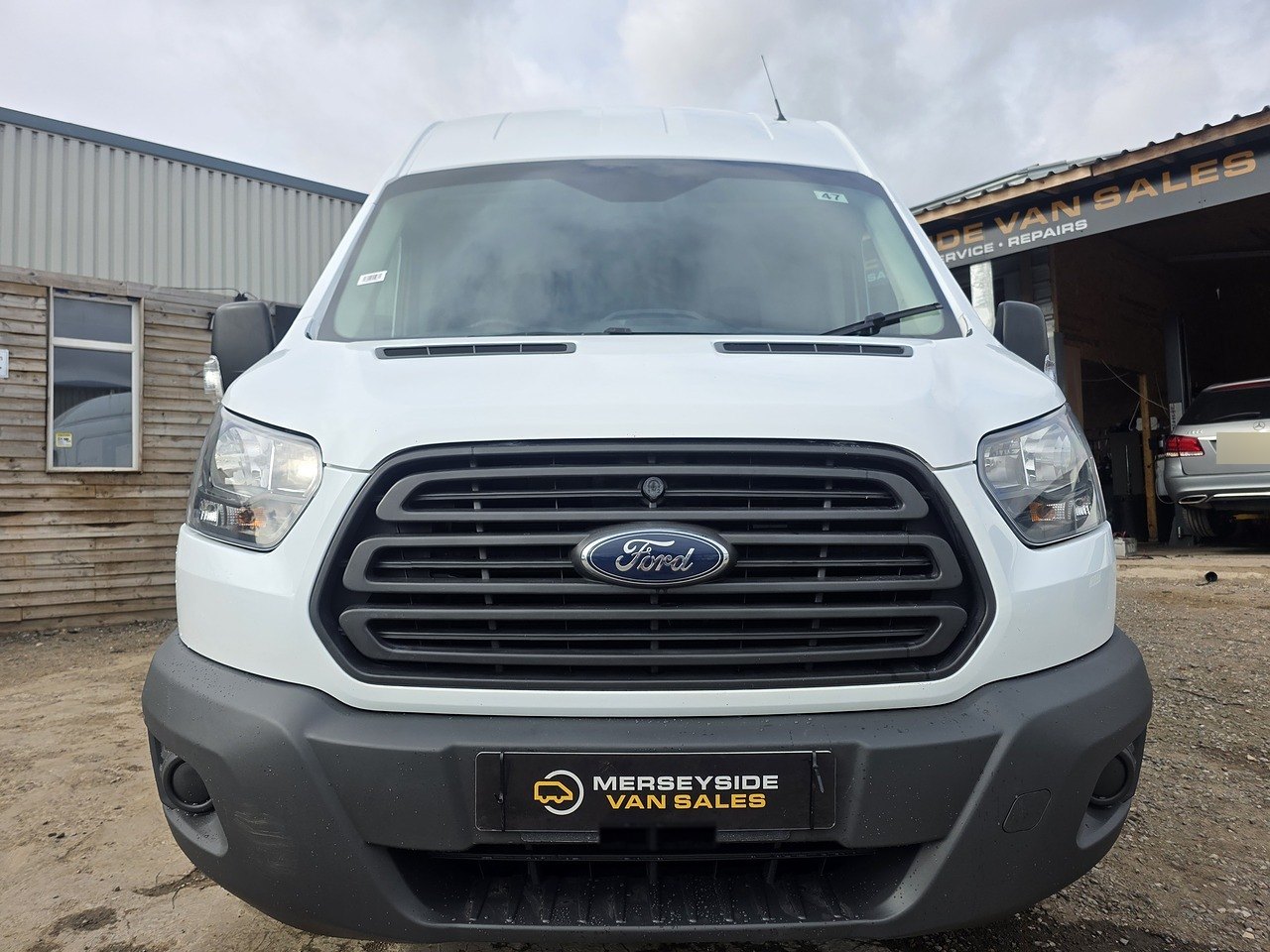
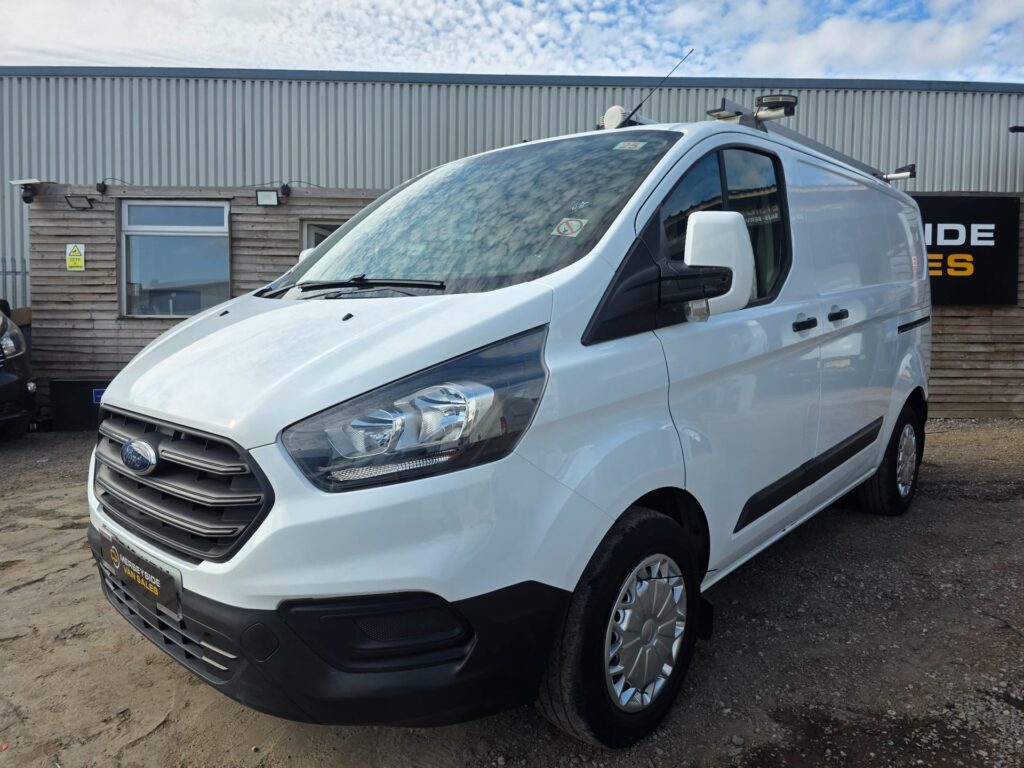
The Transit Custom is Ford’s medium van, and the confusion in the name is worth clearing up first because it costs people money. The plain Transit is the big one: high roof, long body, the van you hire when you move house. The Transit Custom is the medium one, roughly the size of a Vauxhall Vivaro or a Renault Trafic, and it is the van most trades actually want. The Transit Connect is the small one below both.
They are three different vehicles that share a badge, and a used advert will not always make clear which you are looking at. We have set the three side by side in our Transit, Transit Custom and Connect comparison, which is the quickest way to work out which size your work needs.
Why the Transit Custom still leads its class
Three things, and none of them is exciting.
- It drives well. The steering is accurate, the body is controlled, and it stays composed loaded or empty. That sounds like a magazine point until you have done four hundred miles in a week in something that does not.
- It is everywhere. Parts are on the shelf, every independent garage has worked on one, and there is a real used market rather than a handful of examples. Choice is worth money.
- It holds its value. You pay more going in and you get more coming out, so the gap between it and a less-wanted rival is narrower than the advert prices suggest.
The Transit Custom is one of our four best-selling models — but its closest rival, the Vauxhall Vivaro, is roughly one van in every four we have ever sold. That gap is not a verdict on which is the better van. It is what happens when people are spending their own money.
What a Transit Custom is like to drive and live with
Car-like is the word everyone reaches for and it is fair. The seating position is comfortable over distance, the cab is quiet for a panel van, and the controls are laid out for somebody wearing work gloves. Higher trims add the things that make a working day easier — better seat adjustment, decent heating, proper connectivity — and they are worth having on a van you are in every day.
The practical detail that sells it to trades is the load-through hatch under the passenger seats, which lets you carry lengths that would otherwise need a longer van. If you carry pipe, timber or conduit, check the van you are looking at actually has it: it was not fitted to every version, and it is the single feature most likely to change which van you buy.
Load space, payload and the versions worth knowing
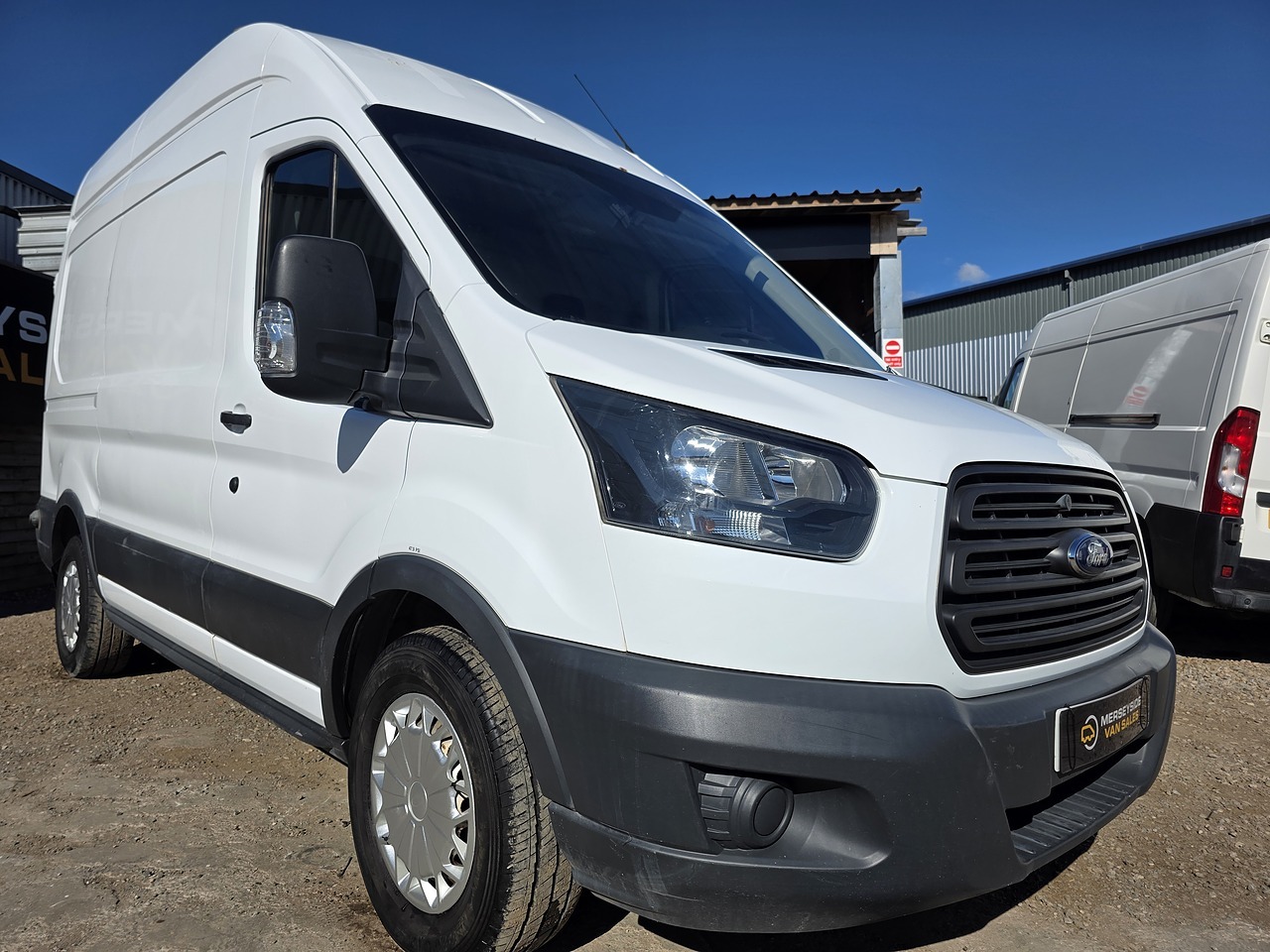
Two body lengths and two roof heights cover most used stock, and the difference between them matters more than trim does. The shorter body parks easily and suits tools and stock; the longer body earns its extra metre the moment you carry materials. The higher roof is worth having only if you genuinely need to work standing up, because it costs you fuel and car parks.
Payload varies widely across trims, body sizes and options, so read the plate on the van rather than a figure from a brochure — the gov.uk explanation of vehicle weights shows how. Crew-cab versions carry a second row of seats and lose both load length and payload for it, which is a fair trade if you move people and a bad one if you do not.
Which Transit Custom years and engines to buy used
The generation that ran from 2012 to 2023 is what the used market is made of, and the mid-life facelift is the sensible dividing line. Facelifted vans got a better cab, more equipment and — the part that actually matters — the emissions standard that keeps a diesel out of the daily charge in most clean air zones. Confirm that on the individual van, not from the year.
The two-litre diesel that arrived with the facelift is the engine to look for: stronger, more efficient and generally better regarded than the older unit it replaced. The mid-output versions are the sweet spot for most buyers; the highest outputs are worth it if you tow or run consistently heavy. Automatic gearboxes exist and are pleasant in traffic, but they narrow your choice considerably in the used market.
Trim names changed over the years, but the pattern is consistent: the base van is genuinely spartan, the middle trim adds what you notice every day, and the sport-badged versions add appearance rather than capability. Buy the van, not the stripes.
Common Ford Transit Custom faults to check
A common van is a well-documented van, which works in your favour. These are the ones we look at first.
- Diesel particulate filter and EGR. The usual pairing on any modern diesel worked short and cold. Warning lights that come and go are a fault, not a character trait.
- Wet belt on the later two-litre engines. Ask when it was last done and get evidence. This is the single most expensive thing to get wrong on one of these.
- Turbo and injectors. Listen for whistling, look for smoke under load, and treat a lumpy idle as a reason to investigate rather than negotiate.
- Clutch and dual-mass flywheel. Heavy loads and town work are hard on both. A rattle at idle that clears when you dip the clutch is the classic sign.
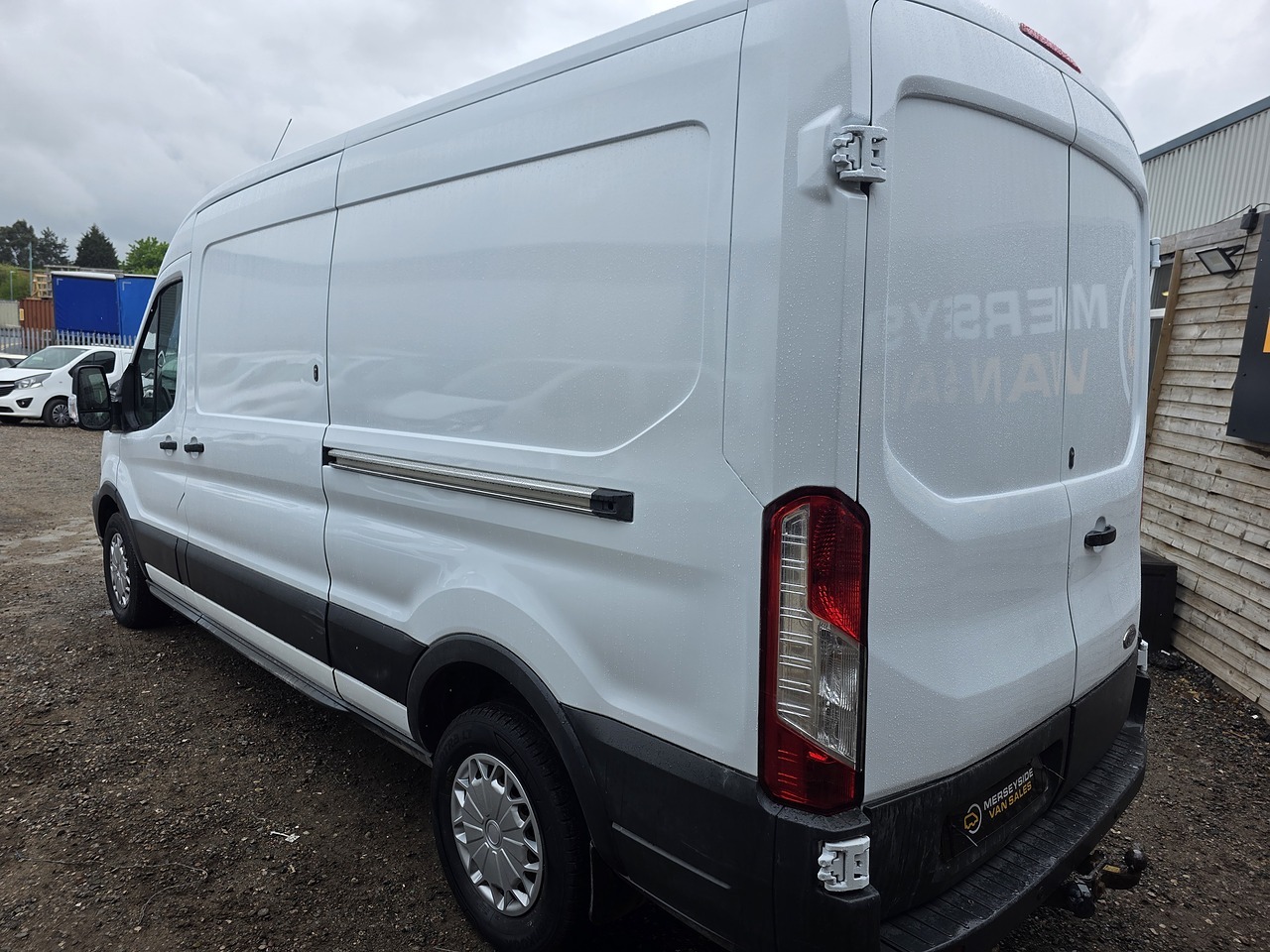
- Sliding door and its runners. High-mileage delivery vans drop them. Work the door slowly through its full travel.
- Rear suspension and rear tyres. A sagging back end and rear tyres worn far faster than the fronts both say the van has been run heavy for years.
- Security. Medium Fords are a theft target. Check what deadlocks and aftermarket protection are fitted, and check they all work.
Ford Transit Custom alternatives
The Custom’s real rivals are the Vauxhall Vivaro and the Renault Trafic, and they are genuinely close — closer than badge loyalty suggests. Broadly, the Custom is the better van to drive and holds its money best; the Vivaro is the sensible buy if the sum has to work first; the Trafic sits between them and is often overlooked, which occasionally makes it the value pick.
Rather than repeat those arguments here, we have written each one out properly: Transit Custom against Vauxhall Vivaro and Transit Custom against Renault Trafic. If it is the award history that brought you here, our piece on the Custom taking Van of the Year covers that separately.
Buying a used Transit Custom: our checklist
- Establish which van it is — Transit, Transit Custom or Connect — before anything else. Adverts get this wrong.
- Get the belt history in writing on any later two-litre engine. No evidence means budget for the job.
- Read the full MOT record, advisories included. The gov.uk guidance on when a vehicle needs an MOT covers the testing rules; the record itself tells you how this van has been treated.
- Check for the load-through hatch if you carry long items. It is not on every van.
- Start it from cold and let it idle while you look at the smoke and listen for the turbo.
- Work the sliding door and every lock, including any aftermarket security.
- Ask what it did for a living. A courier’s Custom and a plumber’s Custom of the same age are two different vans. Mileage alone tells you little — what counts as too high a mileage on a used van explains why.
The full buying process is in our guide to buying a van, and our guide to choosing the right van helps if you are still deciding on size. When you are ready to look, see the Fords we have in stock or browse everything available now.
Common questions
What is the difference between a Ford Transit and a Transit Custom?
Size. The plain Transit is the large van — long body, high roof, the removal-van shape. The Transit Custom is the medium van below it, about the size of a Vauxhall Vivaro, and it is the one most trades buy. The Transit Connect is the small van below both. They share a badge and very little else.
Is a used Ford Transit Custom reliable?
Broadly yes, and it is exceptionally well supported — parts are everywhere and every garage knows one. The things to check are the particulate filter and EGR on a van worked short and cold, and the cambelt history on the later two-litre engines, which is the most expensive item to get wrong.
Which Transit Custom engine should I look for?
The two-litre diesel introduced at the facelift is the one to have — stronger and more efficient than the older unit. Mid-output versions suit most buyers; the highest outputs are worth it if you tow or run heavy. Whichever you pick, confirm the van meets the emissions standard your local charging zones require.
What are the alternatives to a Ford Transit Custom?
The Vauxhall Vivaro and the Renault Trafic are the direct rivals, and the gap between all three is smaller than badge loyalty suggests. The Custom generally drives best and holds its value best; the Vivaro is the pragmatic buy; the Trafic is frequently overlooked, which sometimes makes it the value option.
Should I buy a short or long wheelbase Transit Custom?
Short if you carry tools and stock and park in tight places. Long if you carry materials, or regularly need to get something awkward in without diagonal gymnastics. Check whether the van has the load-through hatch under the passenger seats first — on many jobs it makes the shorter van behave like the longer one.