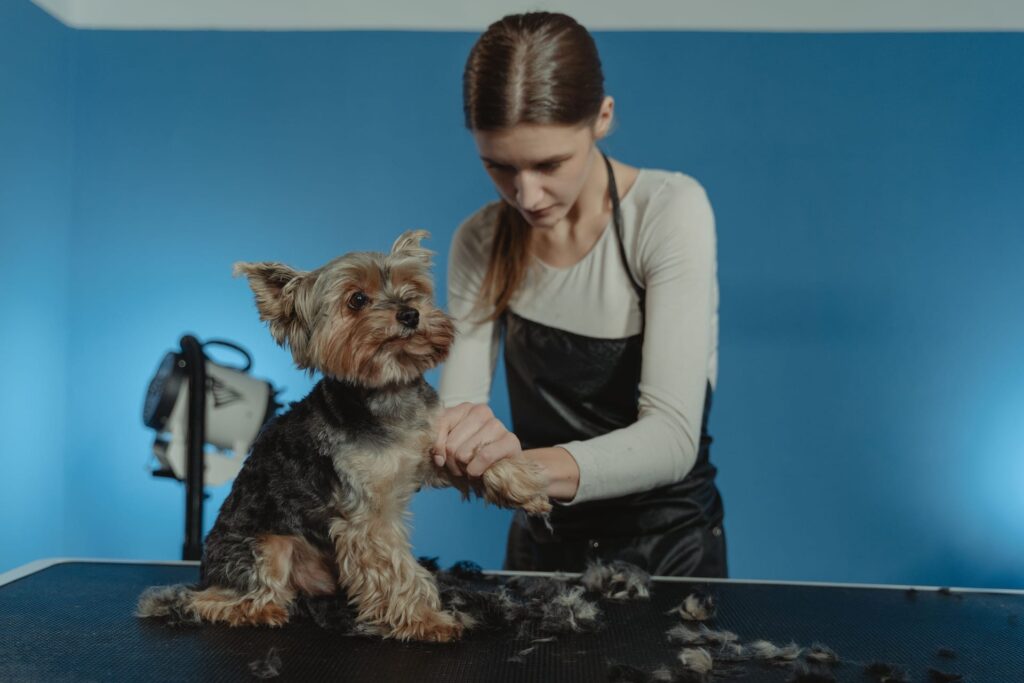
Dog walkers and dog groomers need almost opposite things from a van. A walker needs a secure, well-ventilated load area that several dogs can travel in safely, and a vehicle that is easy to load, easy to clean and cheap to run. A groomer needs a van big enough to become a working room — a bath, a table, a dryer, water and power — which usually means a high-roof medium or large panel van. Both jobs punish the wrong choice quickly, and both are easier to get right before you buy than after.
This guide sits under our Vans for Your Trade guide, part of the Van Guides hub.
Best vans for dog walkers: what the job actually needs
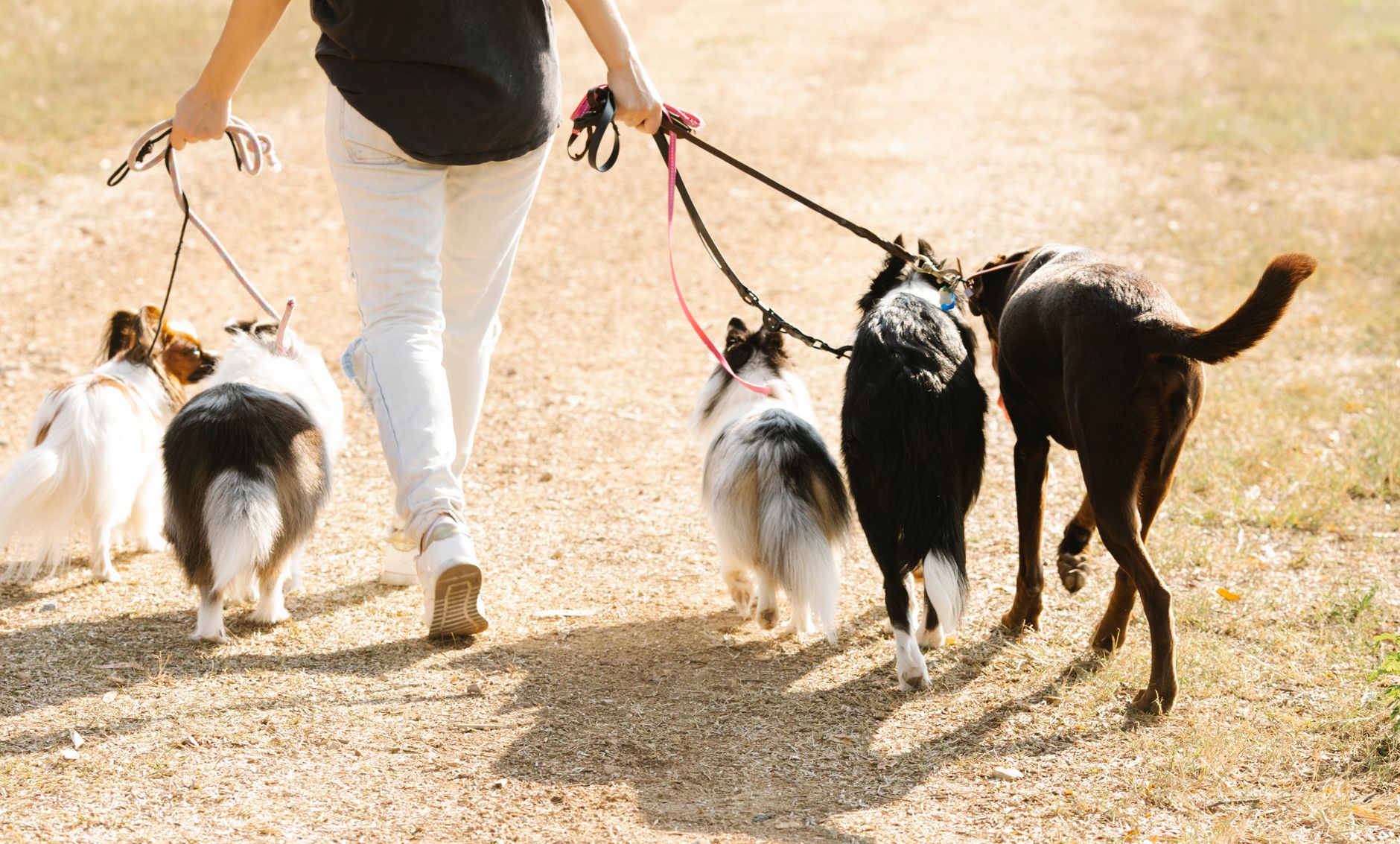
A dog-walking round is short journeys, repeated all day, with animals going in and out constantly. That points at a very specific shape of vehicle, and it is rarely the biggest one.
- A side loading door you can use in a tight street. You will use it more times a day than the back doors, and a nearside slider means loading from the pavement rather than the road.
- A low load height. Older dogs, arthritic dogs and heavy dogs all have to get in. A high-sill large van turns every collection into a lift.
- Real ventilation in the load area, not just a cab blower. This is the single most common gap in a converted panel van, and it is the one that matters most in July.
- A floor and lining you can hose or wipe. Ply-lining absorbs everything; a sealed floor with a wipe-clean lining pays for itself.
- Secure, separated travel space. Crates or a compartment system, fixed down, so dogs that do not know each other are not sharing a space.
In practice that describes a small or medium panel van far more often than a large one. A walker’s van needs to be manoeuvrable, quick to load and cheap to run, and a big van is none of those.
Best vans for dog groomers: when the van is the workspace
A grooming van is a different problem entirely. You are not carrying dogs, you are carrying a room — and the room has to be tall enough to stand in, wide enough to work around a table, and able to carry water both ways.
Three things drive the choice.
- Standing height. If you cannot stand up straight, an eight-hour day becomes unbearable. That usually means a high roof, and a high roof usually means a medium or large van.
- Water weight. Fresh and waste tanks are heavy, and that weight is permanent. It has to come out of your payload before you add anything else.
- Power. A dryer is the biggest single draw in the van, and it decides whether you need a leisure battery bank, a generator, or a hook-up.
The instinct is to buy the biggest van you can. Worth knowing before you do: nearly a third of the large vans we have sold sat with us for more than three months, against about one in seven of the mediums. There are simply fewer buyers for a big van — which cuts both ways when the time comes to sell a conversion on.
Mobile dog grooming vans: power, water and ventilation

These three systems are what separate a grooming van that works from one that is permanently almost finished.
Power. Decide early whether you are running from a battery bank with an inverter, from a generator, or from a customer’s hook-up. Each has a cost and a nuisance attached — batteries are silent but heavy and finite, generators are noisy and need fuel and ventilation, and hook-ups depend on somebody else’s socket. Whatever you choose, get it installed by somebody competent: this is water and mains-level power in a metal box.
Water. You need a fresh tank, a waste tank and a way of heating what comes out of the tap. Waste water cannot simply go on the driveway, so plan where it goes before you commit to a layout.
Ventilation. Grooming produces heat, damp and an enormous amount of hair. Roof vents and a proper extraction path are not optional, and a dog left in a van without them is a serious welfare risk. DEFRA’s guidance on animal welfare and transporting animals is the place to start on what your duty of care actually covers.
Dog grooming van sizes: what fits, and what does not
Rather than talking in model names, which change every few years, think in three bands.
- Small panel vans — fine for a walking round, and fine for a mobile collection service. Not enough height or width for a full grooming setup.
- Medium panel vans, high roof — the sweet spot for most single-operator grooming conversions. Standing height, enough length for a table and a bath, and still driveable and parkable on a residential street.
- Large panel vans — the right answer if you are running two people, a bigger bath, or a lot of storage. Be honest with yourself about where you will park it, and about the resale point above.
Whatever band you land in, check the payload plate on the actual vehicle rather than the brochure figure. Water, a conversion and a full day’s kit add up fast, and an overloaded van is both an insurance problem and a safety one. Gov.uk explains what the weights on the plate mean, and our guide to choosing the right van covers sizes generally.
Dog grooming vans for sale, or convert a panel van yourself?
There is a market in ready-converted grooming vans, and there is a much larger market in plain panel vans. Which route is right depends less on money than on time and on how particular you are about layout.
A ready-converted van gets you working immediately and the hard problems are already solved. What you inherit is somebody else’s layout, somebody else’s standard of wiring and plumbing, and a much smaller pool of vehicles to choose from — so the base van itself is often a compromise.
Converting a panel van lets you pick the vehicle on its own merits — age, mileage, service history, condition — and then build what you actually want. It takes longer, it costs more than people expect, and the quality of the electrical and water work is entirely down to who does it.
If you go the second route, buy the van on the van’s merits first. A conversion sitting on a tired base vehicle is the most expensive mistake in this trade.
Keeping dogs safe and legal on the road
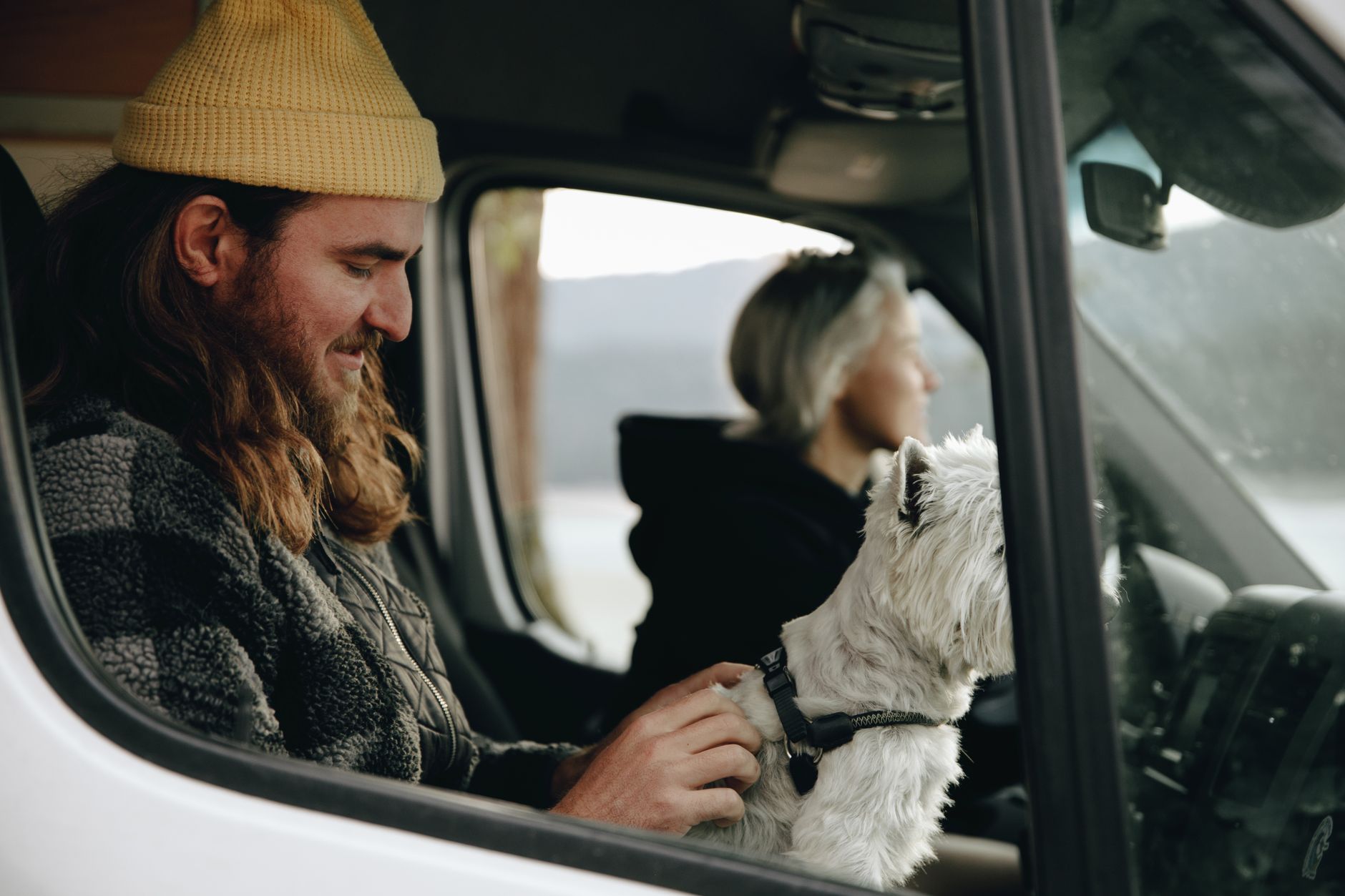
Four points that apply whether you are walking or grooming.
- Dogs must be suitably restrained in a vehicle — crated, harnessed, or behind a guard. A loose dog is a distraction while you drive and a projectile if you stop hard.
- Heat is the killer. A parked van heats faster than a car because of the load-area volume and the lack of glass. Ventilation, shade and never leaving a dog unattended in warm weather are the whole answer.
- Your duty of care follows the dog into the van. Welfare law does not stop at the kennel door — see the gov.uk guidance linked above.
- Check your local authority’s licensing position before you start. Requirements for animal businesses are set locally, and they differ.
None of that is legal advice, and licensing in particular varies by council — ask yours directly rather than relying on what a neighbouring authority does.
Buying a used van for a dog business: what to check
The van is a business asset that will be worked hard, wetted regularly and loaded all day. Six things to look at, in this order:
- Rust around the sills, wheel arches and door bottoms — a van that gets hosed out lives a wet life.
- The condition of the load floor, under any lining that is already fitted.
- Service history and cambelt, because short journeys all day are harder on a van than motorway miles.
- Payload on the plate, against what you actually intend to carry.
- Whether the side door is on the side you need — it is very easy to overlook and impossible to change.
- Mileage in context rather than in isolation — our guide to what mileage is too high on a used van is the fuller answer.
When you are ready to look at vehicles, see what we have in stock now. If you want the wider trade picture first, our guide to vans for mobile trades covers what most working vans have in common.
Common questions
What is the best van for a dog walker?
Usually a small or medium panel van with a nearside sliding door, a low load height, proper load-area ventilation and a floor you can wash out. Manoeuvrability and loading height matter far more than sheer size, because a walking round is dozens of short stops rather than one long drive.
What size van do I need for mobile dog grooming?
Most single-operator conversions land on a high-roof medium panel van: enough height to stand up in, enough length for a bath and a table, and still parkable outside a customer’s house. A large van gives you more room and costs you manoeuvrability, running costs and resale.
How many dogs can I carry in a van?
There is no single number — it depends on the size of the dogs, the compartment system fitted and the van’s payload. The practical limits are that every dog must be safely restrained and separated where needed, and that ventilation has to work for a full load on a warm day, not an empty van in March.
Should I buy a ready-converted grooming van?
It gets you working sooner and the difficult jobs are done. The trade-off is that you inherit somebody else’s layout and somebody else’s standard of wiring and plumbing, from a much smaller pool of vehicles — so check the base van as carefully as the conversion, and have the electrical and water work looked at.
Do I need a licence to run a dog grooming or walking business?
Licensing for animal businesses is set locally, so the answer depends on your council and on exactly what you offer. Ask your local authority directly before you buy a van, not after — and treat the welfare duties in gov.uk’s guidance as the floor rather than the ceiling.