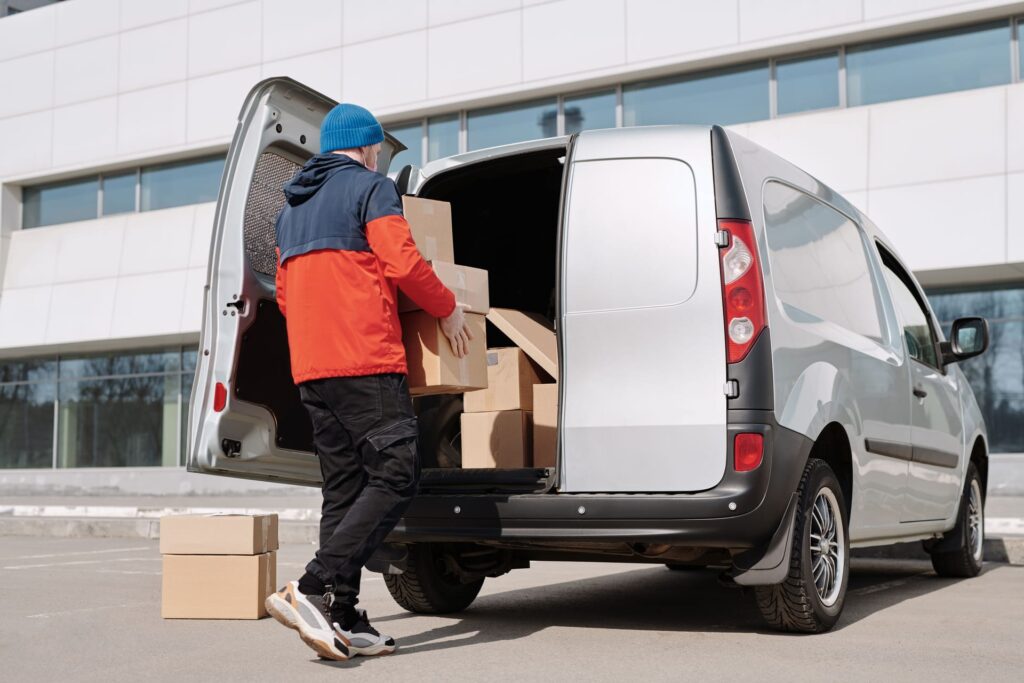
A courier van is judged on how fast you can work out of it, not on how much it holds. On a multi-drop round you open the doors dozens of times a day, so a low load height, a wide nearside sliding door and a load bay you can stand in matter more than raw capacity. Payload runs out before volume on parcels only rarely — but it runs out immediately on pallets, water or trade deliveries. Pick the van around the shape of your round, and the rest follows.
This guide sits under our Vans for Your Trade guide, part of the Van Guides hub. It is about what the job asks of a vehicle. If you want the model-by-model comparison instead, our guide to the best vans for delivery and courier work is the one to read.
Best courier vans: what a multi-drop round actually asks for

Everything on a multi-drop round is measured in seconds multiplied by drops. That reframes what a good van is.
- Load height. You climb in and out all day. A low floor is worth more over a year than an extra half-metre of length.
- A nearside sliding door, ideally wide. You load and unload from the pavement, not the road. On a busy street it is also the difference between safe and not.
- Standing height in the load bay, if the round is parcels. Bending double at forty drops a day is what ends careers, not mileage.
- A bulkhead with a load-through or window, so you can see what is behind you and nothing arrives in the cab.
- Rear doors that open past ninety degrees and stay there in wind. Sounds trivial; is not.
- A cab you can live in. Twelve hours of seat, mirrors, phone mount and heater.
What is conspicuously absent from that list is top speed, badge and load volume. On a parcel round you will almost never fill the van.
Courier van load areas: doors, height and how fast you can work
Three layout decisions do most of the work, and none of them can be changed after you buy.
- Roof height. A medium roof is enough to stoop; a high roof lets you stand. High roofs cost fuel, restrict car parks and low bridges, and are a genuine nuisance on residential rounds — so decide on the basis of your actual drops rather than on the idea of standing up.
- Which side the sliding door is on. Nearside is what you want in the UK. A van with only an offside door, or none, is a much harder working life.
- Shelving or a clear floor. Parcel rounds usually favour a clear floor and stackable totes; anything sorted by route favours light shelving. Heavy racking is rarely right for couriers — it eats payload and slows loading.
One thing worth doing before you commit: stand in the load bay of the actual van, with the doors shut, and imagine finding a parcel in it in the rain. It answers more than a spec sheet will.
Payload against volume on a courier round
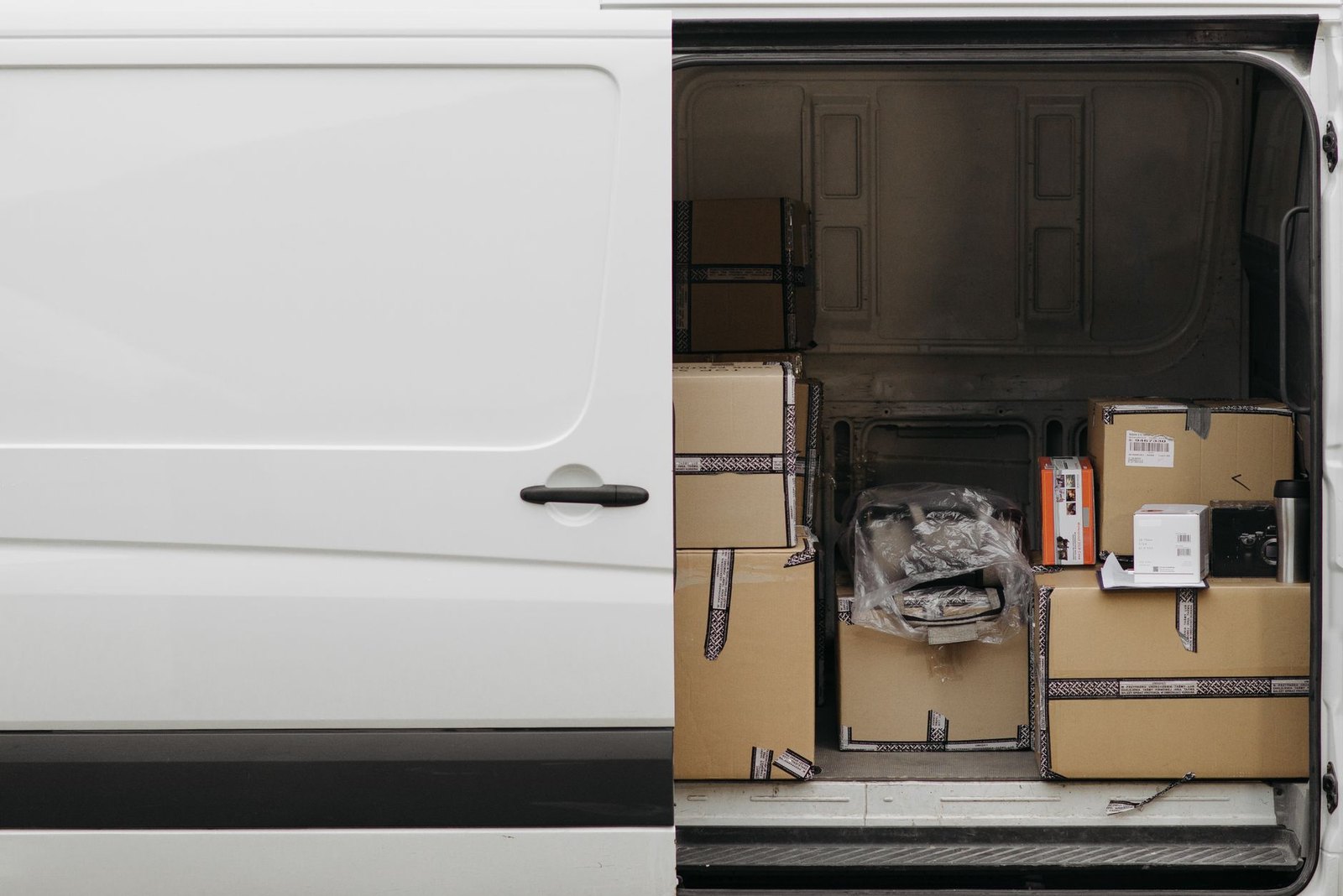
Payload is the gross vehicle weight on the plate minus what the van already weighs. Whether it constrains you depends entirely on what you carry.
- Parcels — volume runs out long before weight. A medium van with a decent load bay is usually plenty.
- Groceries, drinks or trade deliveries — weight runs out first, sometimes badly. Check the plate, not the brochure.
- Pallets or a tail lift — a different vehicle class of decision entirely, and the tail lift itself comes out of your payload.
Two things to check before you buy. A standard category B licence covers vehicles up to 3,500kg maximum authorised mass, which is where a large-van decision quietly becomes a licence decision. And our guide to choosing the right van covers the size question generally.
Best vans for couriers on a self-employed contract
If you are supplying your own vehicle to a contract, read the contract before you read any van review. Most set requirements you cannot negotiate afterwards.
- A minimum load volume or internal dimensions, often stated exactly.
- Age or emissions limits on the vehicle.
- Livery and signwriting rules — which may mean removable magnets or may mean vinyl, and vinyl comes off paint.
- Insurance class, which is almost always courier or hire-and-reward rather than ordinary business use.
- Availability expectations, which decide whether a van needing a day in the workshop is a problem or a crisis.
The practical order is: contract first, insurance quote second, van third. People do it in the opposite order and then discover the van they bought does not qualify.
Electric vans for courier work: where they fit and where they do not
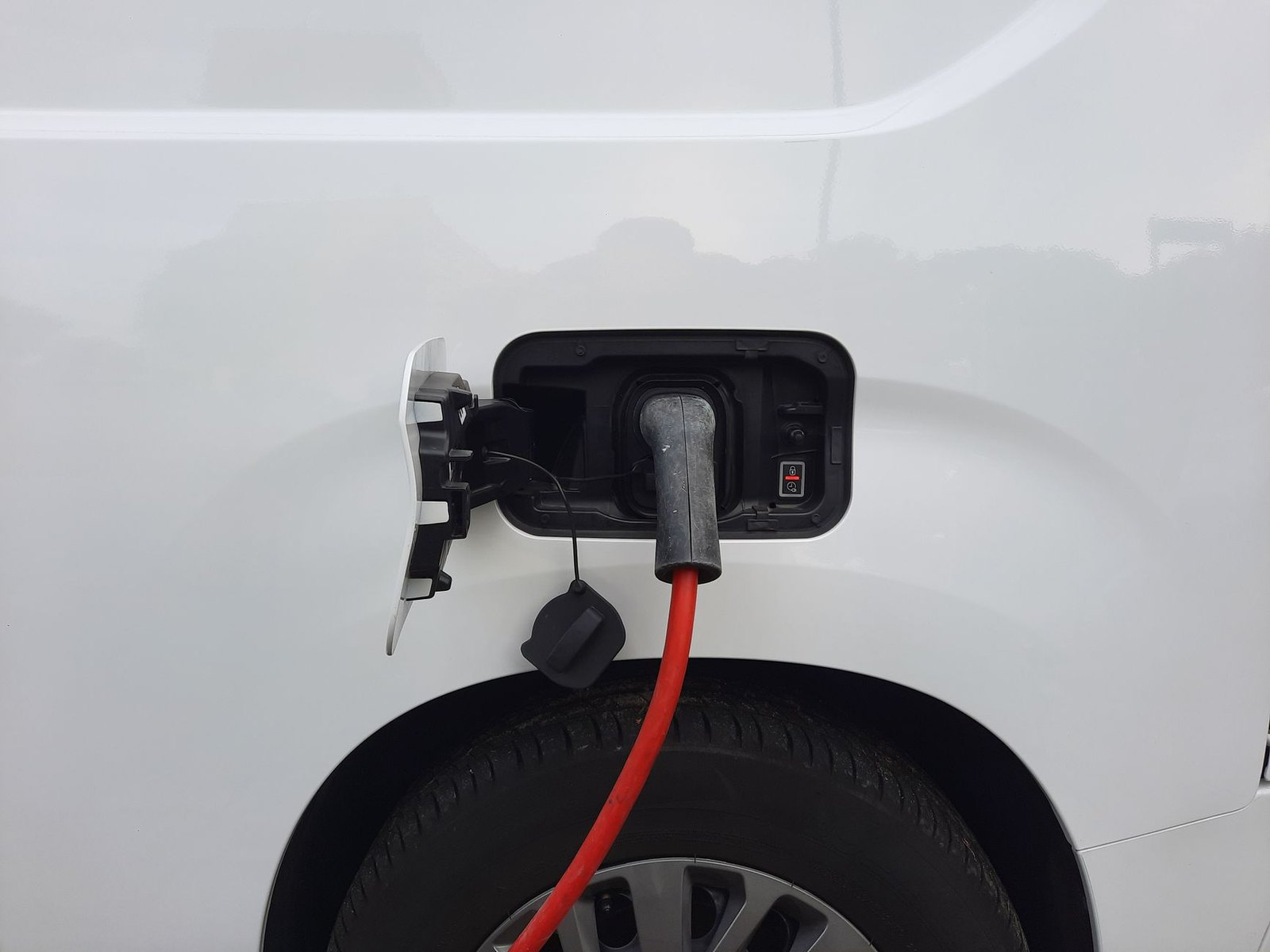
An urban parcel round is close to the ideal electric use case: short hops, constant stopping, predictable daily distance, and a vehicle that sits somewhere overnight. A rural or motorway-heavy round is close to the opposite.
The honest questions are: can you charge where the van sleeps, is your worst day inside the real winter range rather than the brochure range, and does the payload survive the battery. There are grants available on new zero-emission vehicles — gov.uk lists which vehicles qualify, and vans are one of the eligible categories — but they apply to new purchases, not to the used market.
Which brings us to what we can actually tell you. Fewer than one in every hundred vans we have sold has been electric. We are not going to pretend that is a verdict on the vans — it is what the used market has actually offered, and what buyers have actually taken. If you want an electric courier van second-hand today, expect a short list.
Emissions zones are a separate question again, and one we cover elsewhere rather than here — our guide to emissions-compliant vans is the place for it.
Insurance, licences and hire and reward
This is where new couriers most often get caught out, so it is worth being blunt about it.
- Ordinary van insurance does not cover carrying other people’s goods for payment. You need courier or hire-and-reward cover, and it is a different product at a different price.
- Goods in transit cover is separate again, and most contracts require a minimum level of it.
- Check the licence category against the weight of the vehicle you are considering, using the gov.uk page linked above.
- Get the insurance quote before you buy the van. The premium difference between two similar vans can be larger than the price difference between them.
None of this is insurance advice and we are not brokers — it is the list of things couriers tell us they wish they had checked first.
Best van for courier work: buying a used one
Most courier vans have already done a courier’s life, and that is a specific kind of wear: enormous numbers of short journeys, constant door use, and a load bay that has been worked in daily.
Six things to look at:
- The sliding door mechanism — rollers, runners and the catch. It has been worked all day, every day, and it is not cheap to put right.
- Rear door hinges and check straps, for the same reason.
- The load floor, under any lining.
- Clutch, brakes and tyres, all of which take a beating from stop-start work.
- Service history against the mileage — short-journey vans need servicing more, not less.
- Mileage in context rather than in isolation — our guide to what mileage is too high on a used van is the fuller answer.
When you are ready to look at vehicles, see what we have in stock now.
Common questions
What size van do I need for courier work?
For parcels, a medium van with a good load bay is enough for most rounds — volume is the constraint and you will rarely fill it. For groceries, drinks or trade deliveries, weight is the constraint instead, so check the payload on the plate. Read your contract first: many specify minimum internal dimensions.
Do I need special insurance to be a courier?
Yes. Ordinary van insurance does not cover carrying other people’s goods for payment — you need courier or hire-and-reward cover, and goods in transit cover is separate again. Get a quote before you buy the van, because the premium gap between two similar vans can exceed the price gap.
Is an electric van any good for a courier round?
For an urban round with overnight charging, it suits the job well: short hops, lots of stopping, predictable daily distance. For rural or motorway-heavy work it is much harder. The practical limits are where you charge, your worst winter day rather than the brochure range, and what the battery leaves you in payload.
Which side should the sliding door be on?
Nearside, for UK work — so you load from the pavement rather than from moving traffic. A van with an offside-only door, or no side door at all, makes every drop slower and less safe, and it is not something you can change after you buy.
What wears out on an ex-courier van?
The things that get worked all day, every day: sliding door rollers and runners, rear door hinges and check straps, the clutch, and the load floor. High mileage on a courier van is normal — what matters is whether the servicing kept pace with it, and whether the door gear still works properly.